Internal AI Bots: Training Claude on Your SOPs So Your Team Stops Asking the Same Questions

Table of content
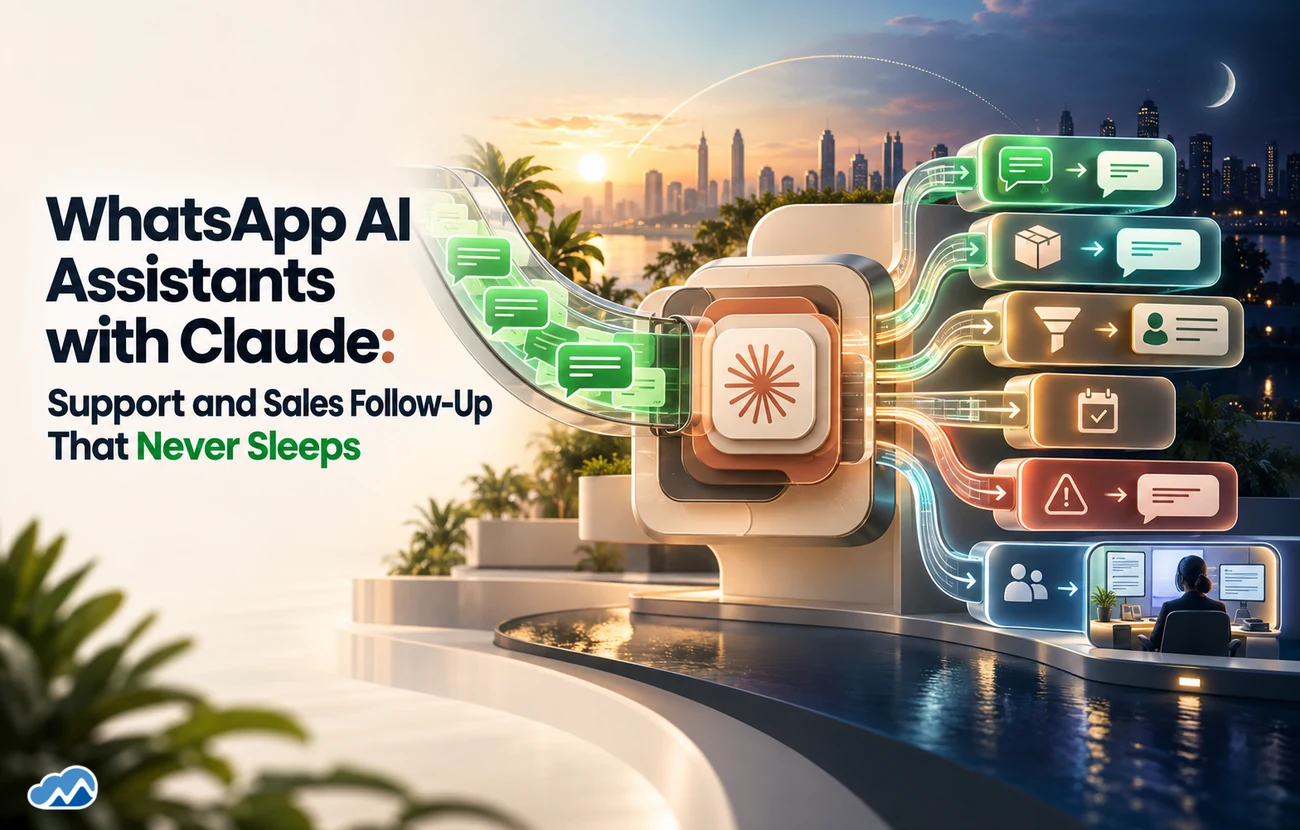
Every team has that one person everyone messages. How do I book leave? Where is the latest version of thetemplate? What is the process for a refund? They know the answers because theyhave been asked a hundred times, and every answer is a few minutes taken fromtheir actual job. An internal AI knowledge bot fixes that by learning your SOPsand answering those questions itself, so your team stops interrupting eachother for things that are already written down somewhere.
Here is how training Claude onyour SOPs gives you an internal AI knowledge bot that answers the samequestions so your people do not have to, and what it takes to keep it accurate.
The Problem With Knowledge That Lives in People's Heads
Most companies do have their processes written down, in a wiki, a drive, a pile of documents, but nobody can find them, so they ask a colleague instead. The knowledge technically exists; it is just faster to interrupt someone than to go digging. That is the gap an internal AI knowledge bot closes. It makes the written knowledge actually reachable, answering questions in plain language instead of leaving people to hunt through folders or tap the nearest expert on the shoulder.
What Training Claude on Your SOPs Means
Training here does not mean rebuilding the model, it means grounding it in your documentation so it answers from your SOPs rather than from general knowledge. You point an internal AI knowledge bot at your actual procedures, policies and guides, and it uses them as its source of truth. Ask it how to do something, and it answers from your documented process, not a plausible-sounding guess. The accuracy comes from the grounding, which is why this works where a generic chatbot does not.
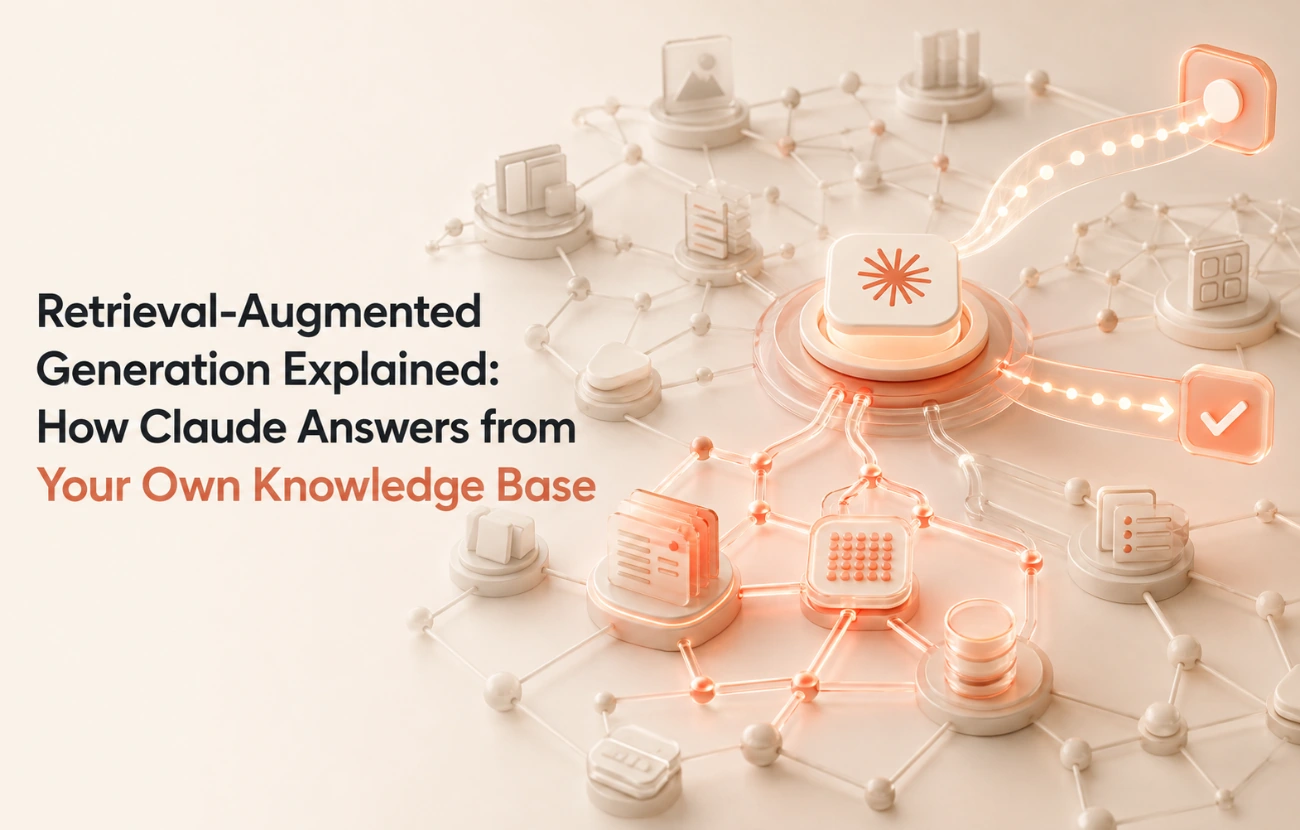
The technique behind this isretrieval-augmented generation, pulling the right document in before answering,which our guide on how Claude answers from your own knowledge base explains. An internal AIknowledge bot is that approach aimed squarely at your own team's questions.
The Questions It Takes Off Everyone's Plate
The value of an internal AI knowledge bot is in the sheer repetition it absorbs. The onboarding questions every new starter asks. The how-do-I questions about tools and processes. The where-is-those questions about templates and documents. The what-is-the-policy questions that interrupt whoever knows. None of these need a human, they just need the answer that already exists, delivered on demand. Hand that to the bot and your experts get their time back for work that actually needs them.
Keeping It Accurate as You Change
SOPs change, and an internal AIknowledge bot is only as good as the documents behind it. If a process updatesand the source does not, the bot confidently gives the old answer, which isworse than no answer. Keeping it accurate means keeping its knowledge current,so it reflects how you work now, not how you worked last year. Grounding it inliving documentation, with a clear owner for keeping that documentation fresh,is what keeps an internal AI knowledge bot trustworthy rather than quietlymisleading.
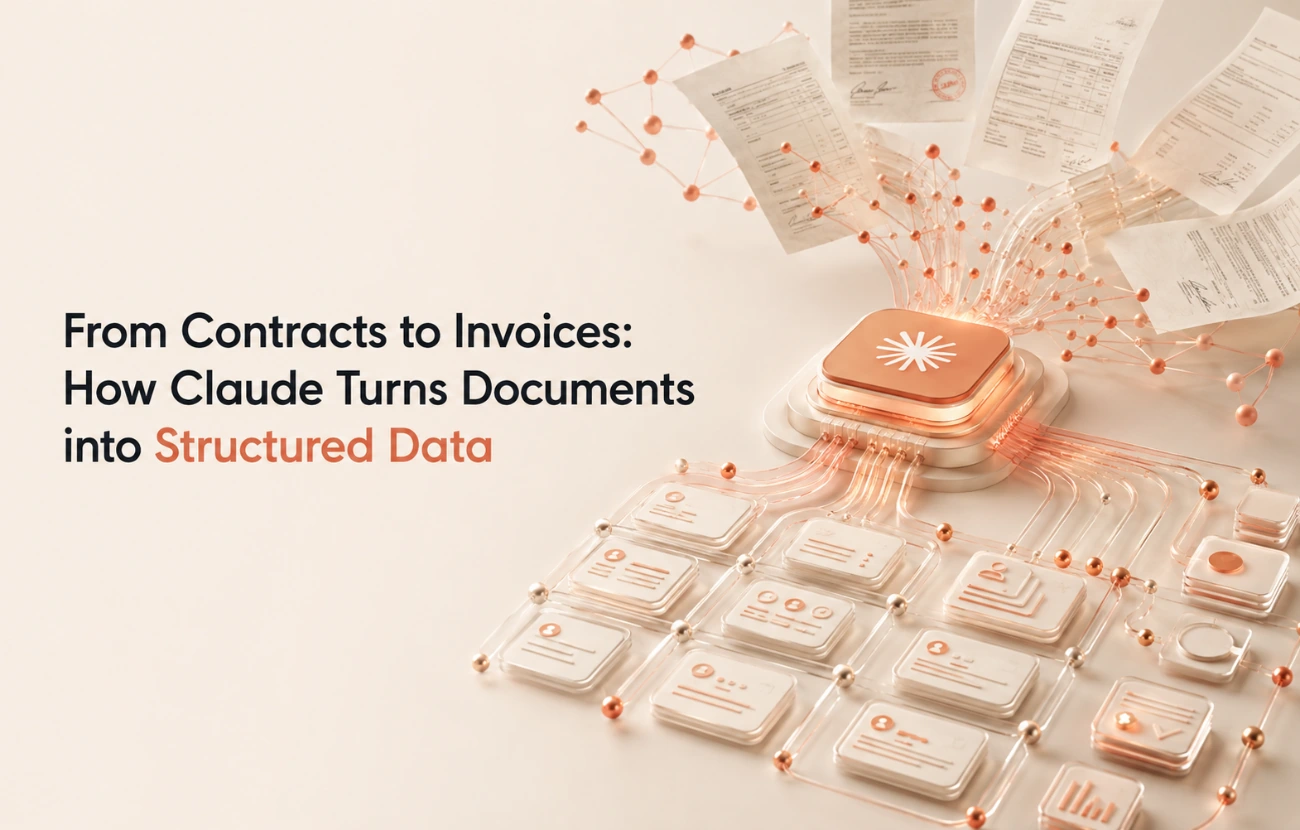
The same grounding approachextends to reading documents into structured data, which our guide on turning documents into structured data with Claude covers. An internal AI knowledge bot is one use of that capability; there are plenty more once the foundation is in place.
If you want an internal AIknowledge bot trained on your SOPs, the wider picture is in our ClaudeAI for business guide, and you can get in touch to talk throughwhat it would take. That conversation is usually shorter than people expect.
Get in touch to talk through what it would take to train Claude on SOPs
Frequently Asked Questions










Agentforce for Financial Services: AI-Driven Banking & Insurance Solutions


















n8n Workflow Automation: From Lead Capture to CRM in Minutes, Not Hours