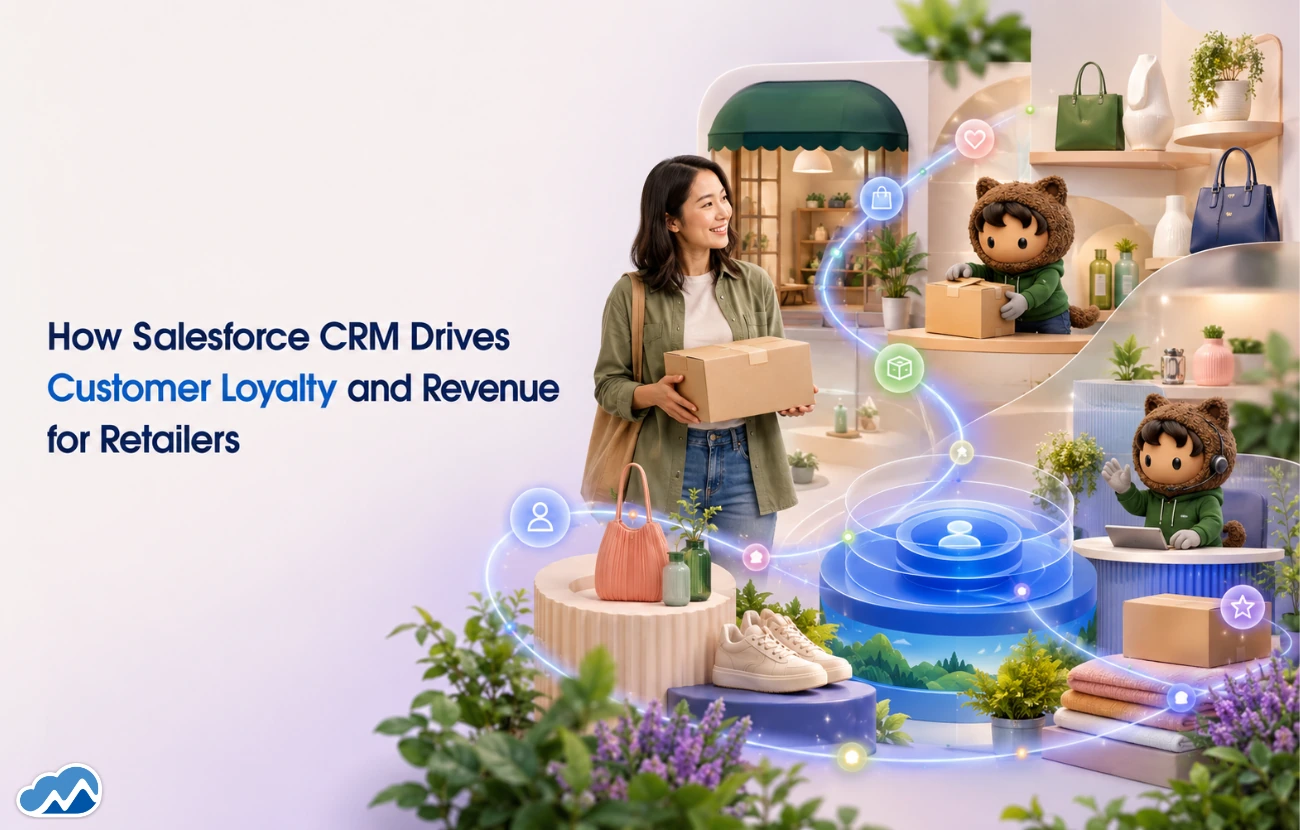
How Salesforce CRM Drives Customer Loyalty and Revenue for Retailers

Table of content
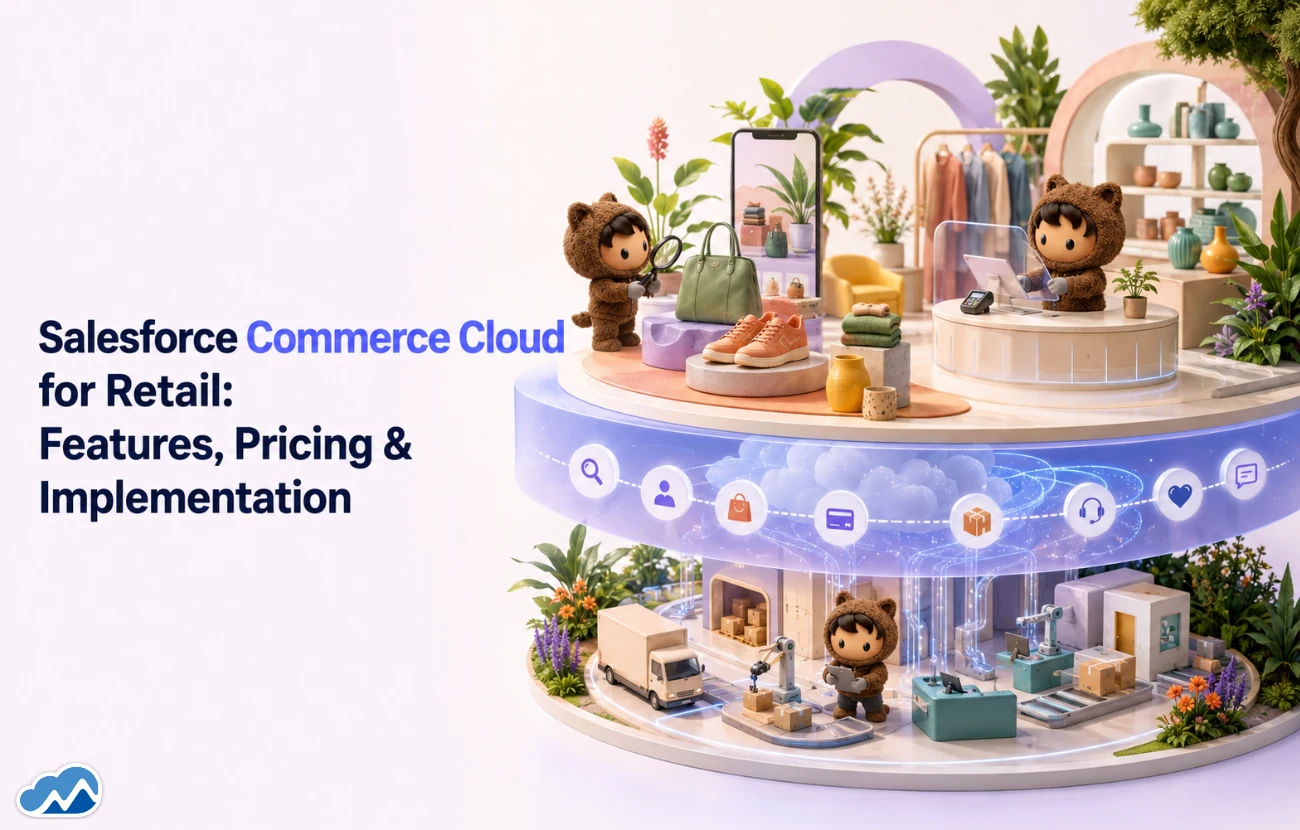
Retail has never been harder to win at. Customers shop across channels, switch brands on a whim, and expect to be recognised wherever they turn up. In that environment, the retailers who pull ahead are not the ones with the flashiest storefront, they are the ones who actually know their customers and use that knowledge to keep them coming back. That is where a Salesforce CRM for Retail earns its place, and this guide is about how it drives both loyalty and revenue rather than just storing contacts.
Here is how a Salesforce CRM for Retail turns customer data into loyalty, and loyalty into revenue.
Why Loyalty Is a Data Problem
Customer loyalty sounds like a soft, relationship thing, and it is, but underneath it is a data problem. You cannot make a customer feel known if your systems do not actually know them, and in most retail businesses the customer is scattered: browsing in one system, buying in another, contacting support in a third. A Salesforce CRM for Retail exists to pull those together into one view, because recognising a customer is the first step to keeping them.
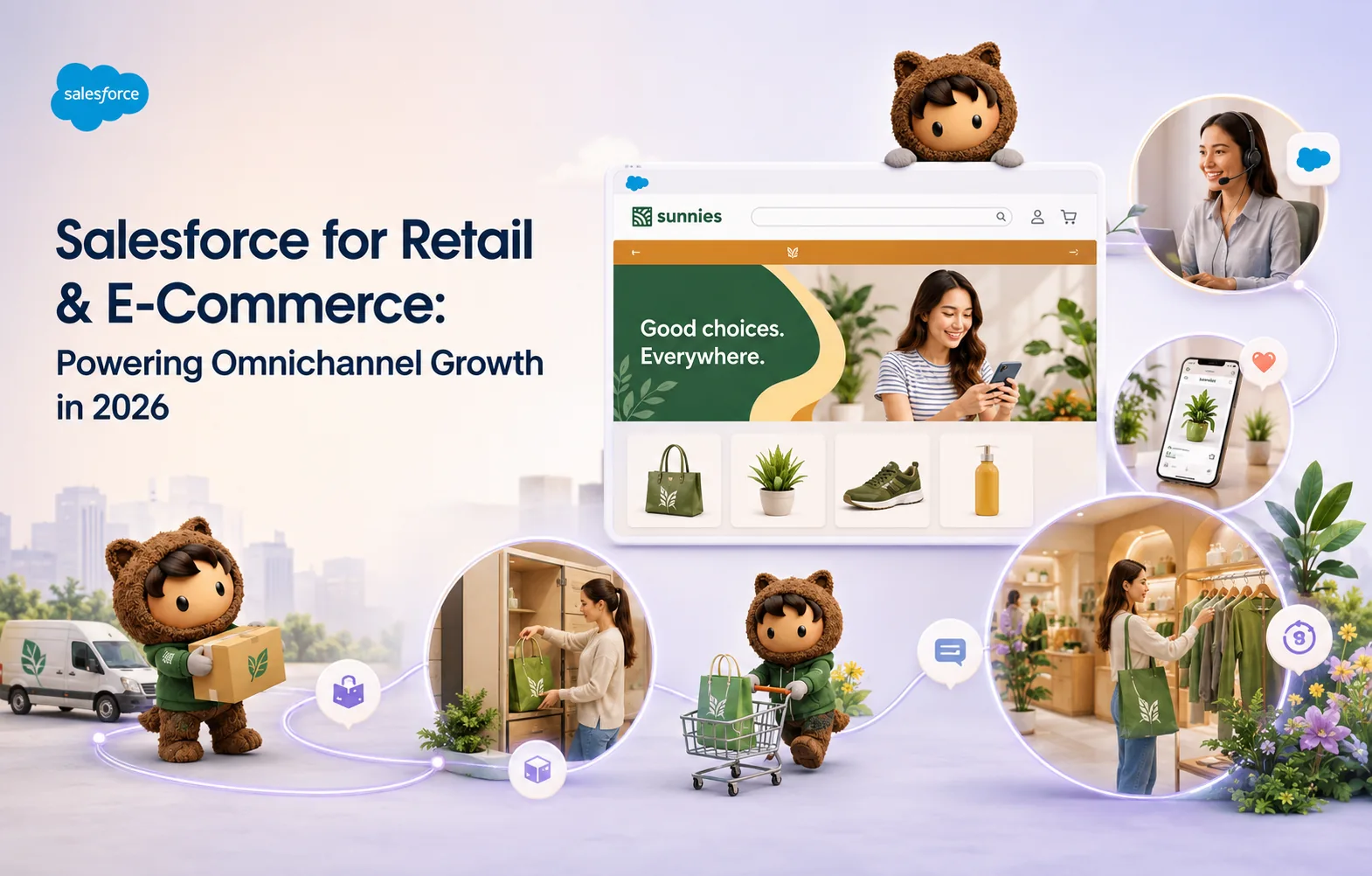
The wider retail picture is on our Salesforce for Retail & E-Commerce guide. This piece focuses specifically on how the CRM turns that unified view into loyalty and revenue.
How a Salesforce CRM for Retail Builds Loyalty
Once a retailer genuinely knows its customers, loyalty becomes something you can design rather than hope for. A Salesforce CRM for Retail lets you personalise the experience to the individual, recommend what fits rather than what is generic, and reach customers with the right message at the right moment. It joins online and in-store so a shopper is one recognised person everywhere, and it powers loyalty and marketing programmes that reward the behaviour you want to encourage.
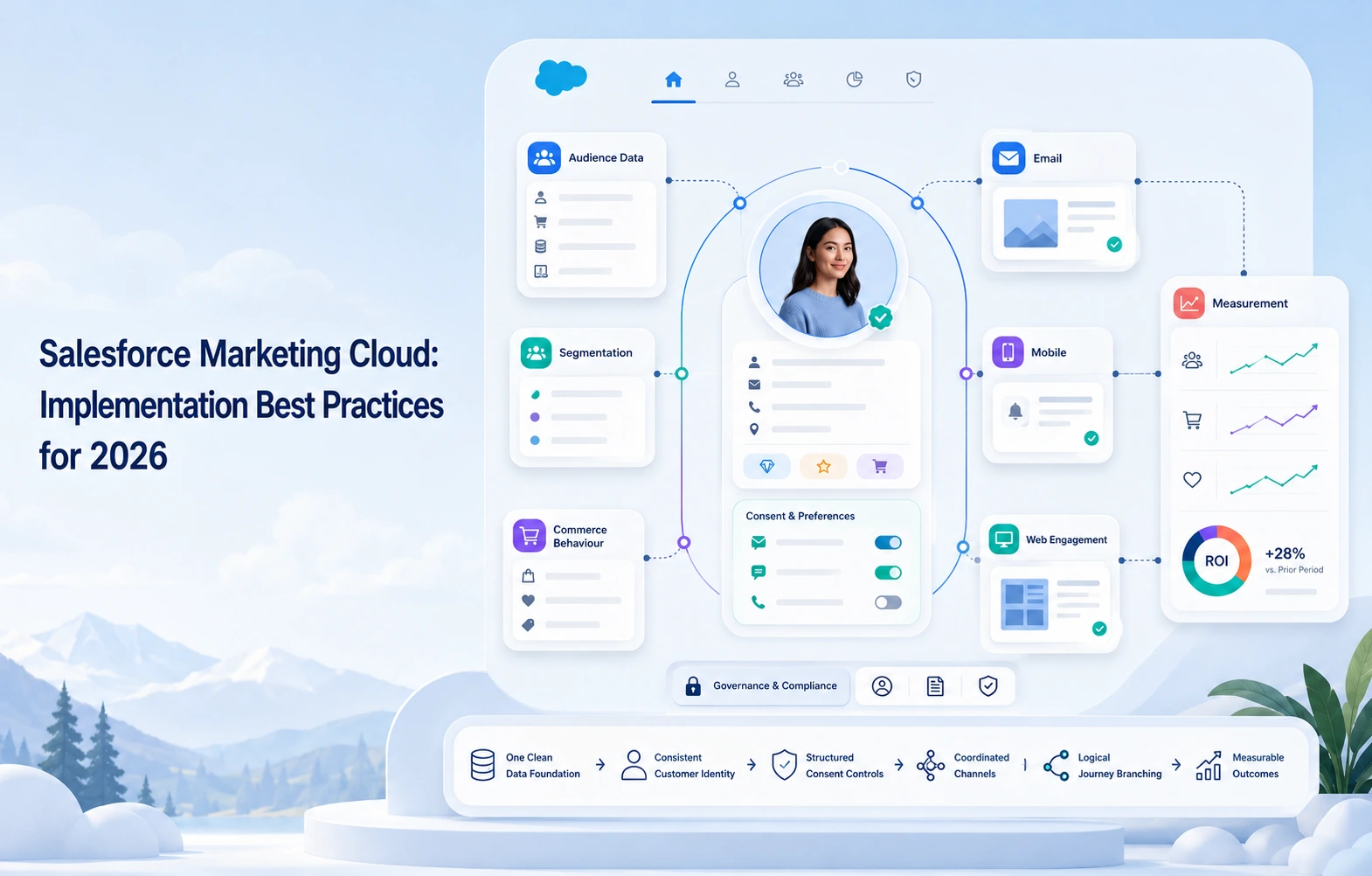
The commerce side of this runs on Commerce Cloud, while the loyalty campaigns and lifecycle messaging live in Marketing Cloud. Together with the CRM, they turn a one-off buyer into a repeat customer who feels recognised rather than marketed at.
How Loyalty Turns Into Revenue
Loyalty matters because it pays. Repeat customers cost less to sell to, spend more over time, and refer others. A Salesforce CRM for Retail drives revenue by making the most of the customers you already have: surfacing the right cross-sell and upsell, spotting who is drifting before they leave, and turning one-time purchases into ongoing relationships. In a market where acquiring new customers keeps getting more expensive, growing the value of existing ones is often the highest-return work a retailer can do.
It All Depends on Unified Data
None of this works on fragmented data. Personalisation built on a partial view of the customer is shallow and often irritating, and loyalty programmes built on messy records misfire. The foundation of a Salesforce CRM for Retail that actually drives loyalty and revenue is a single, unified, real-time view of each customer.
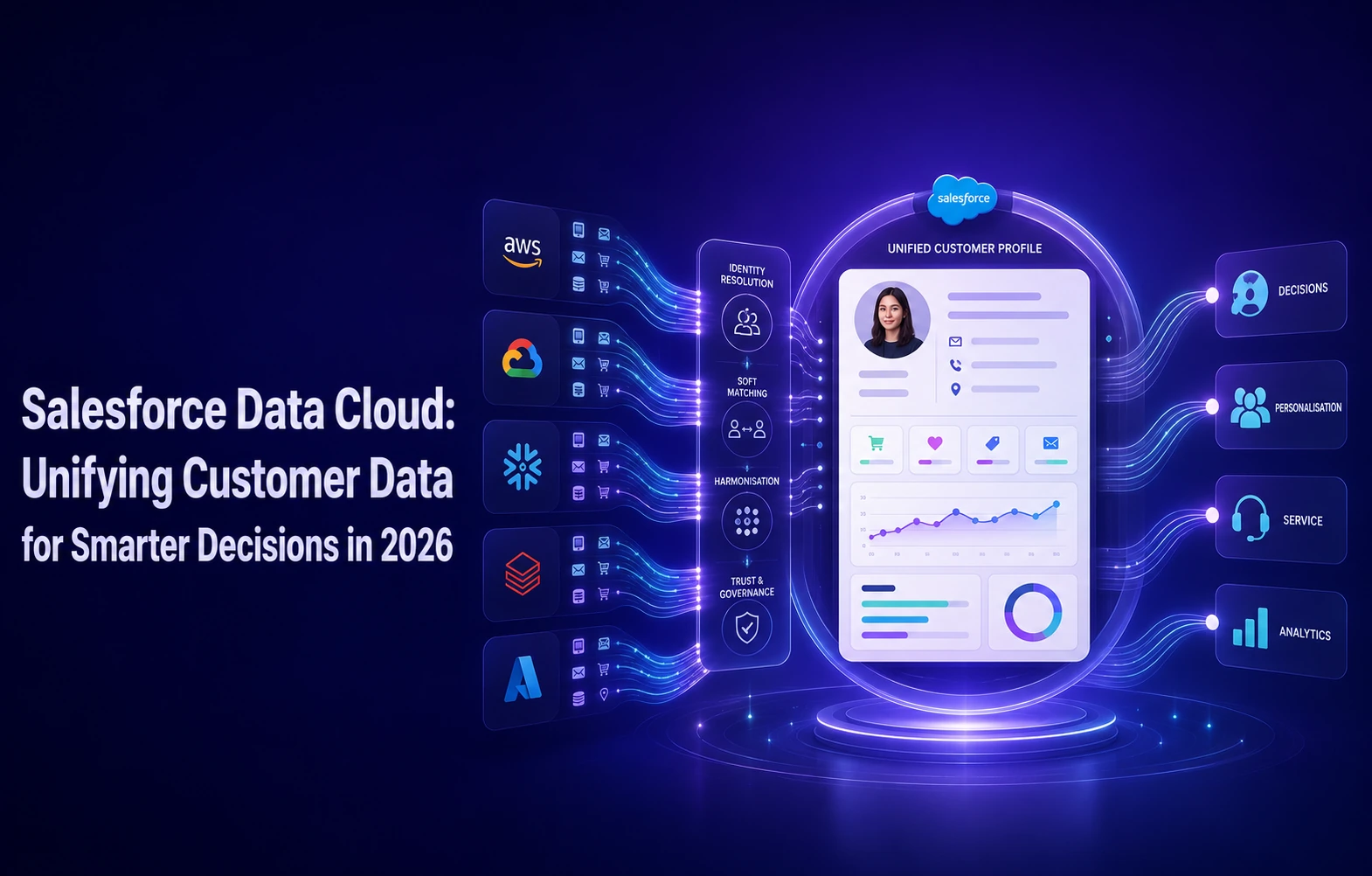
That is exactly what our Salesforce Data Cloud guide is about, and it is the groundwork that makes everything above possible. Get the unified customer view right and the loyalty and revenue gains follow; skip it and even the best CRM is working half-blind.
Frequently Asked Questions



Agentforce for Financial Services: AI-Driven Banking & Insurance Solutions




.webp)




n8n Workflow Automation: From Lead Capture to CRM in Minutes, Not Hours
%20(1).webp)