Salesforce Experience Cloud Implementation: What Your Partner Must Deliver

Table of content

Plenty of Experience Cloud portals fail for the same reason: the partner delivered a website when the business needed a portal. It looks fine, it launches, and then almost nobody uses it. If you are about to build a portal, knowing exactly what a good partner must deliver is the best protection against that outcome. This is that checklist.
Here is what a genuine Experience Cloud implementation partner has to get right, and how to tell before you sign whether they will.
Live CRM Data, Not Static Pages
The whole point of Experience Cloud is that it sits on your Salesforce data and shows each user their own live information: their cases, orders, account and history. A partner who delivers static pages behind a login has missed the entire advantage of the platform and built you a website with extra steps.
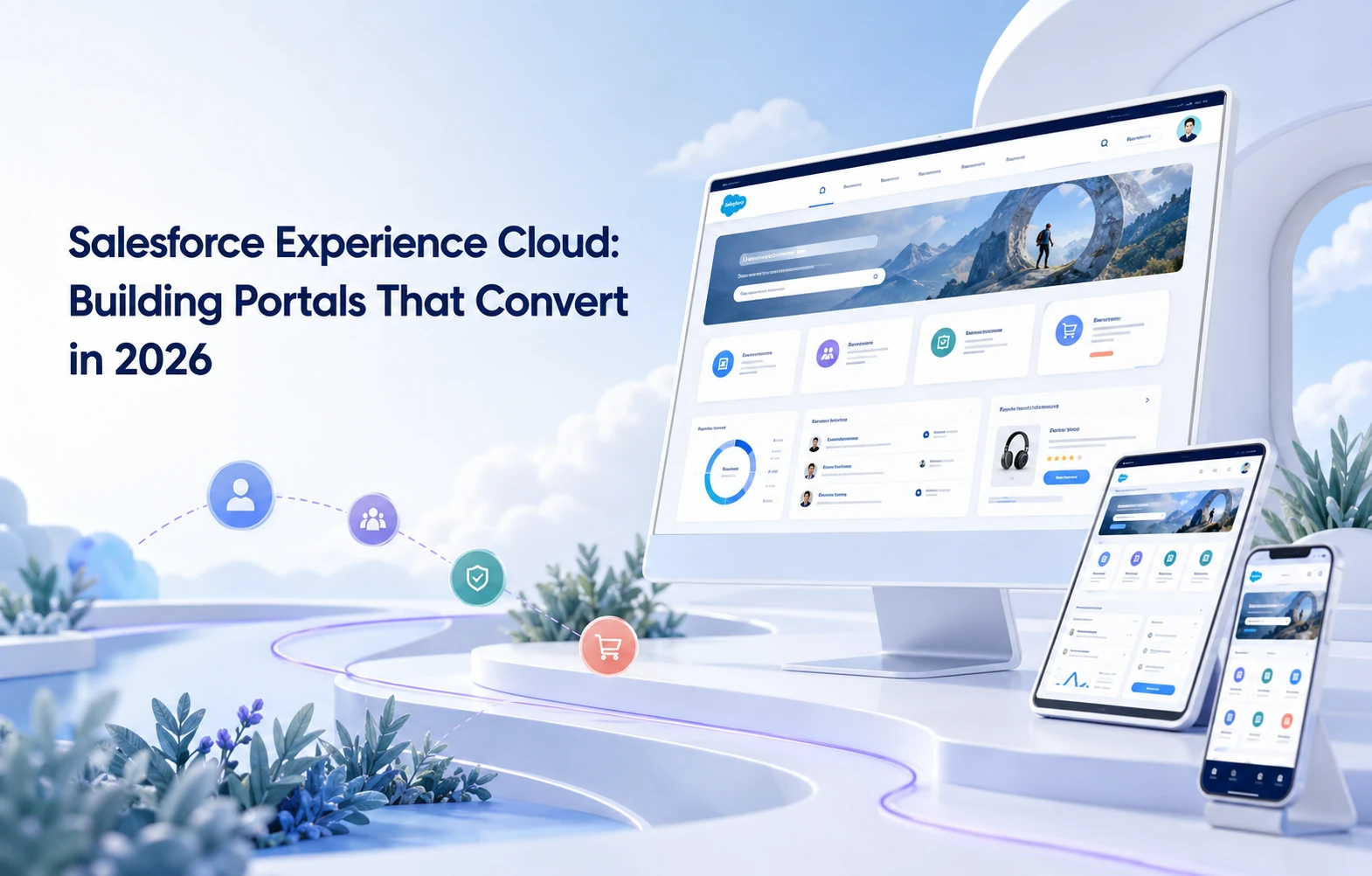
This is the difference between a portal that converts and one that collects dust, which our Experience Cloud: Building Portals That Convert guide covers in depth. A real Experience Cloud implementation partner must deliver live, personalised CRM data, not a brochure.
Genuine UX and Mobile
Customers compare your portal to every slick app they use daily, not to your old system. A partner must deliver a portal that is genuinely easy to use and works properly on a phone, because a large share of users will arrive on mobile. If it is confusing or painful on a small screen, people will phone your support line instead, which defeats the purpose.
The CRM Data Integration Behind It
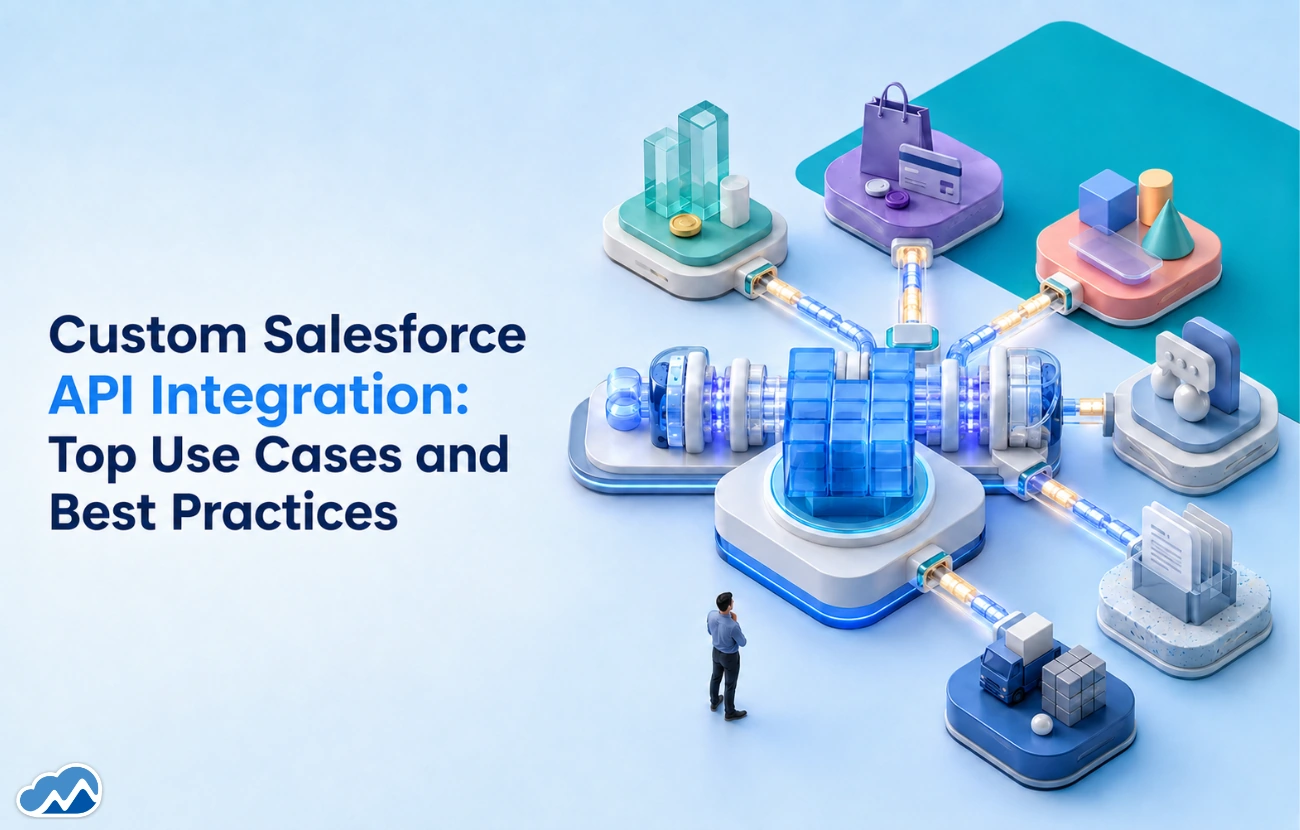
A portal is only as good as the data flowing into and out of it, and that often means connecting Salesforce to other systems: orders from an ERP, payments from a billing platform, data from an in-house application. A capable Experience Cloud implementation partner must deliver those integrations cleanly, so what the customer sees is real and current.
That integration work is its own discipline, covered in our Salesforce API Integration Services guide. A portal wired to live, accurate data is the whole point; one showing stale or disconnected information erodes trust fast.
Custom Components Where the Standard Ones Fall Short
Standard Experience Cloud components cover a lot, but rarely everything. Where your portal needs something the out-of-the-box components cannot do, a partner must be able to build custom components properly, without creating a fragile mess that breaks at the next release.
That is real development work, and our Salesforce Development & Customization guide covers what building to last actually looks like. A strong Experience Cloud implementation partner knows when to configure and when to build, and does the custom work cleanly.
Adoption, Security and a Plan for After Launch
Two more things a partner must deliver. First, adoption: the portal has to be designed around what customers actually came to do, and tested with real users, or it becomes a ghost town no matter how elegant the build. Second, security and a plan for after go-live, because a portal exposes your data externally and needs proper access controls plus ongoing care as your business changes.
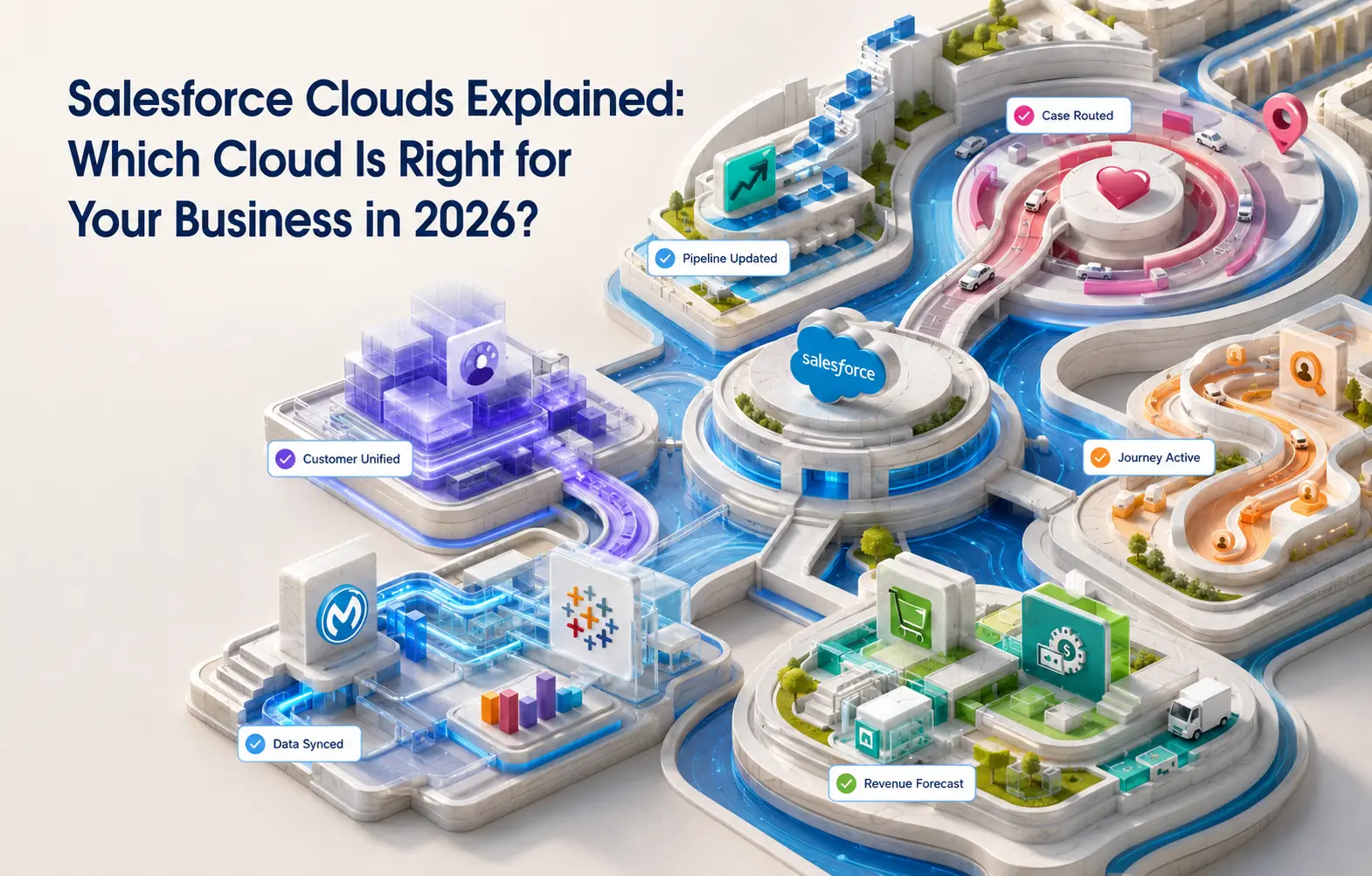
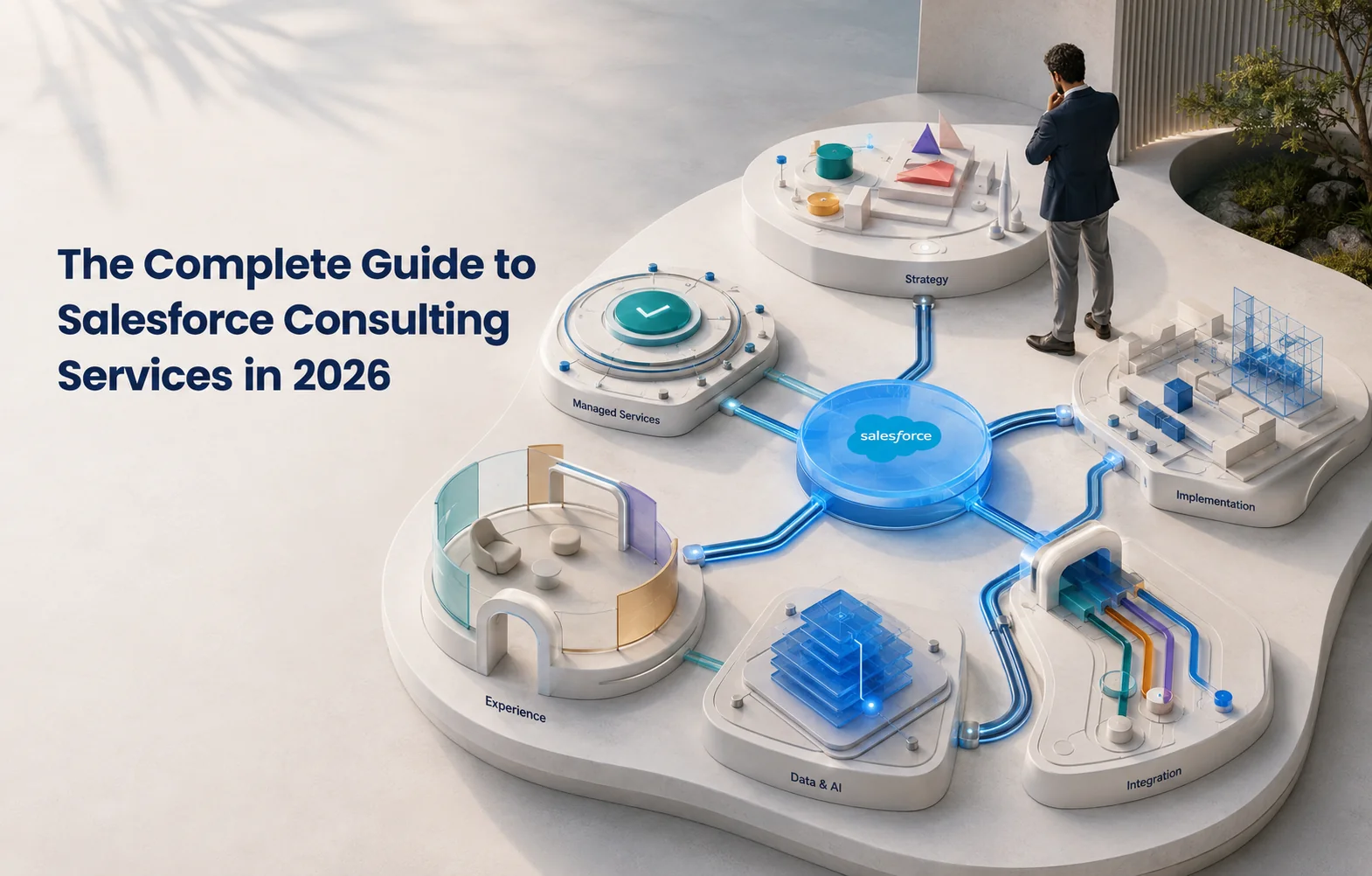
Judging whether a partner can deliver all of this comes back to the usual criteria in our How to Choose the Right Salesforce Consulting Partner guide. And for where Experience Cloud sits among the other clouds, our Salesforce Clouds Explained guide gives the wider map.
Frequently Asked Questions

.webp)
.webp)
.webp)











Agentforce for Financial Services: AI-Driven Banking & Insurance Solutions







.webp)








n8n Workflow Automation: From Lead Capture to CRM in Minutes, Not Hours

%20(1).webp)