What Is Included in Salesforce Managed Services? A Full Breakdown

Table of content

"Salesforce managed services" is one of those phrases that sounds clear until you try to pin down what it actually includes. Different providers mean different things by it, and the gap between a good managed service and a thin one is exactly the stuff that is easy to leave out of a proposal. So before you sign up for anything, it is worth knowing what a proper managed service really covers. This is that breakdown.
Put simply, Salesforce managed services means handing the ongoing care of your Salesforce org to a team who keep it healthy, fix what breaks, and improve it over time, so you do not have to carry all of that in-house. Here is what that should include.
What Salesforce Managed Services Actually Means
A managed service is the opposite of the common failure mode, where an org goes live and then nobody really owns it. Instead of a project that ends, you get an ongoing relationship: a team who watch your org, handle the day-to-day, and keep it working as your business changes and as Salesforce ships its updates. Think of it as outsourced ownership of your Salesforce health, rather than a help desk you call when something is already broken.
The best Salesforce managed services are proactive, not just reactive. They are as much about stopping problems as fixing them, which is where the real value sits. Now let's break down what should be in the package.
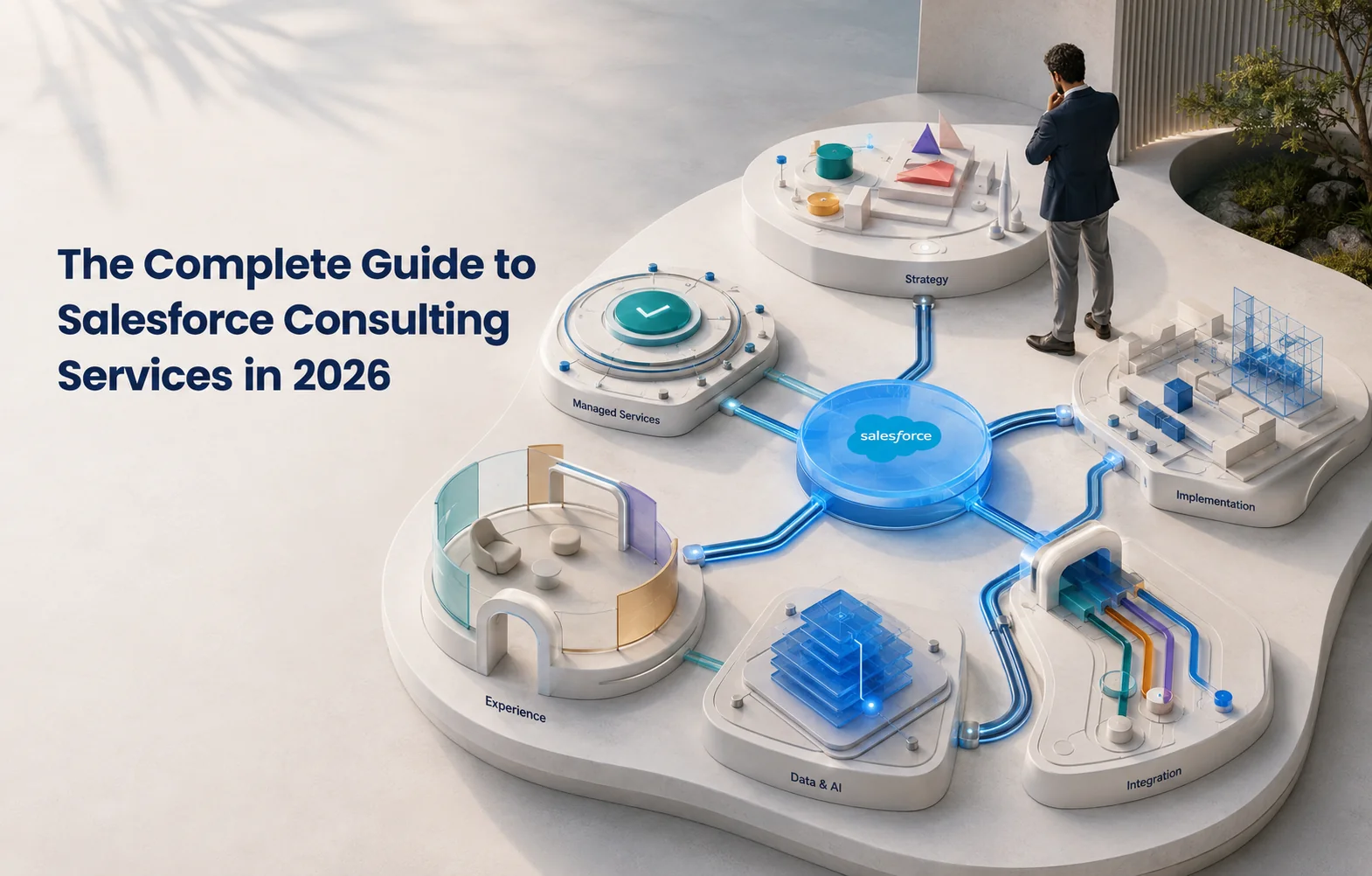
What's Included in a Proper Managed Service
A genuine managed service covers most or all of the following.
Day-to-day admin. The essential, unglamorous work: users, permissions, page layouts, and the requests that come in every week. This is the baseline of any Salesforce managed services agreement.
Bug fixing and troubleshooting. When a flow fails, an integration drops, or a validation rule blocks half the team, someone who diagnoses it quickly and actually fixes it, rather than logging a ticket into a void.
Enhancements and small builds. The steady stream of small improvement requests that are too minor for a project but add up to real value over a year. A good service builds these in as part of the arrangement.
Release management. Salesforce ships three seasonal releases a year, and they apply whether you are ready or not. A managed service reviews each one, tests it in a sandbox, and turns useful new features on deliberately rather than being ambushed.
Data quality and hygiene. Duplicate management, cleanup, and the automation that keeps your database tidy instead of letting it silently degrade into something nobody trusts.
Monitoring and health checks. Proactively watching automations, API limits, storage and security, so problems surface as alerts rather than as angry customers. This is the proactive core of good Salesforce managed services.
Security and compliance. Keeping permissions sensible, access controlled, and the org aligned with whatever rules you operate under, reviewed regularly rather than set once and forgotten.
Reporting and optimisation advice. Helping you get more from the platform over time, with dashboards that get used and a steady eye on what could work better.
What Is Usually Not Included
It is just as useful to know the edges. Large, project-scale work, a major new implementation, a full migration, a big custom build, usually sits outside a standard managed service and is scoped separately. Third-party tool licences are typically your own cost. And the exact hours and response times vary by agreement, which is why reading the scope matters. A good provider is clear about where Salesforce managed services end and project work begins, rather than leaving it vague.
Managed Services vs Hiring an Admin
A fair question is why not just hire an admin. One in-house admin gives you someone who knows your business deeply and is there every day, but one person cannot realistically be an expert in admin, development, integration, security and every release, and they are a single point of failure when they are away or they leave. Salesforce managed services give you a team instead of a person, with a spread of skills and cover built in. For many businesses the best answer is both: an in-house admin for the close, daily work, backed by a managed service for the specialist depth.
How Salesforce Managed Services Are Priced
Most providers work on a monthly retainer, priced by the hours and the level of cover you need, from a few support hours a month for a small, stable org up to a dedicated team for a large, complex one. The number that matters most is not the headline rate, it is whether the service is genuinely proactive. A cheap, purely reactive retainer that lets a release break your org costs far more than it saves.
For a deeper look at how ongoing care keeps an org healthy, our Salesforce Support & Maintenance Guide covers the wider picture. This piece is about what a managed service actually includes.
Frequently Asked Questions
.webp)

.webp)
.webp)



















Agentforce for Financial Services: AI-Driven Banking & Insurance Solutions














.webp)














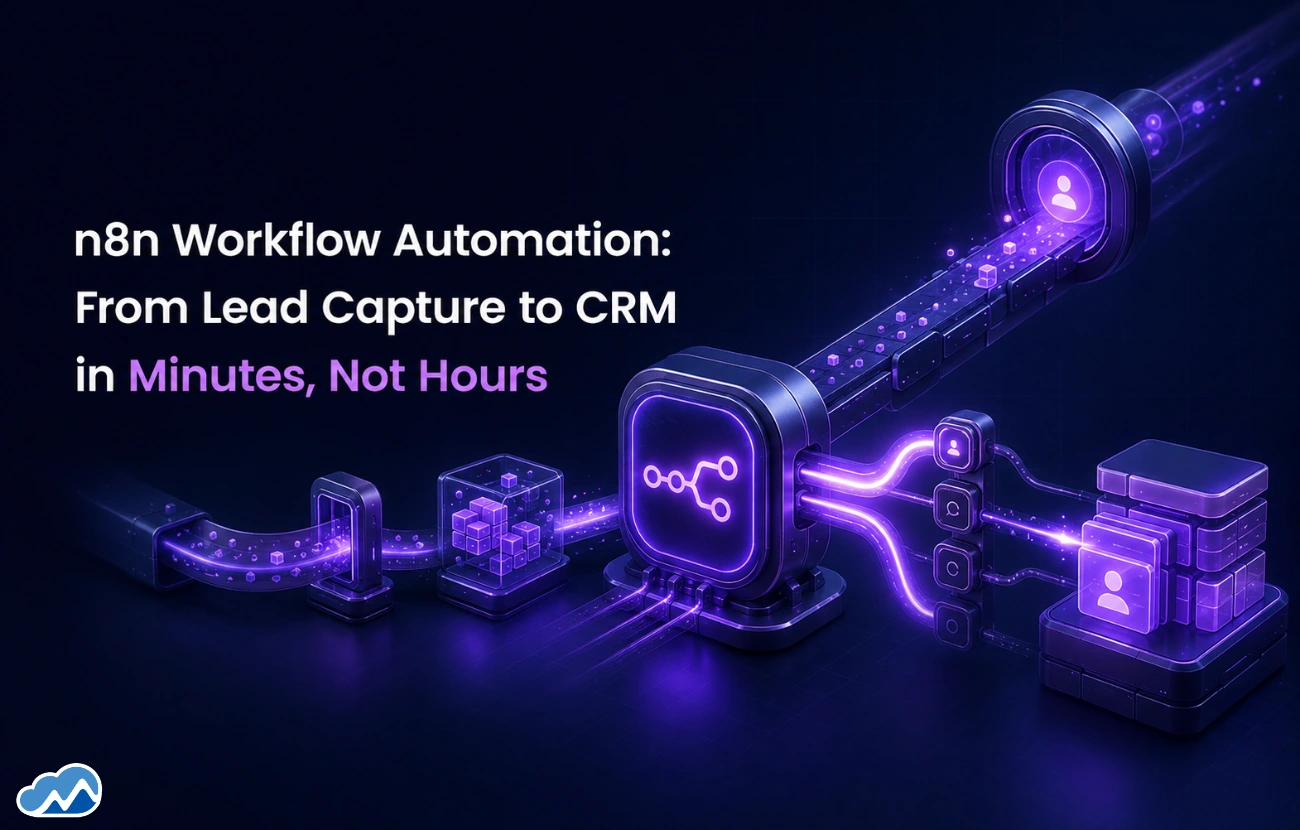
n8n Workflow Automation: From Lead Capture to CRM in Minutes, Not Hours



%20(1).webp)