How to Hire Certified Salesforce Experience Cloud Developers

Table of content
A portal is only as good as the people who build it, and Experience Cloud is deceptively demanding under the surface. The clean login page hides a lot of moving parts: sharing rules, custom components, data security and integrations that all have to be right. That is why businesses look to hire certified Salesforce Experience Cloud developers rather than handing a portal to whoever happens to be free. Certification matters, but it is not the whole story, and this guide covers what actually separates a developer who builds a portal people use from one who ships a fragile shell.
Here is what to look for, why Experience Cloud rewards specialist skill, and the questions that reveal a good developer fast.
Why Certification Matters, and Where It Stops
A relevant Salesforce certification proves tested, current knowledge rather than general familiarity, so when you set out to hire certified Salesforce Experience Cloud developers, checking for it is a sensible baseline. It filters out people learning on your project.
But certification alone does not guarantee a portal your customers will actually use. Plenty of certified developers can assemble components correctly and still deliver something clunky, slow on mobile, or disconnected from your live data. Treat certification as the entry ticket, and judge the rest on what they build and how they think.
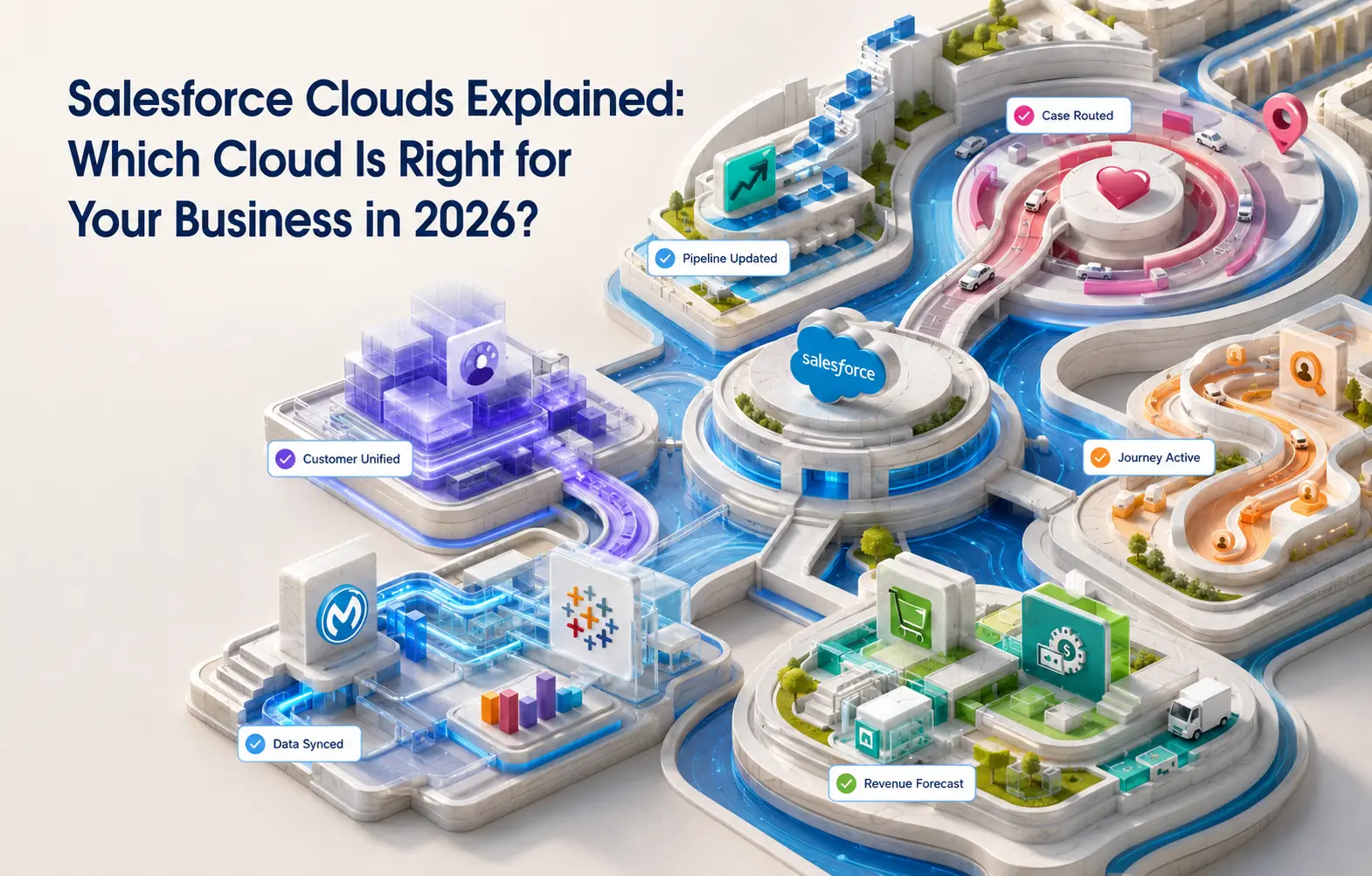
Experience Cloud is one of several Salesforce clouds, and if you are still deciding which ones fit your business, our Salesforce Clouds Explained guide covers the landscape. This piece is about the people who build on it.
Why Experience Cloud Rewards Specialist Skill
Experience Cloud sits at the meeting point of front-end and platform. A good developer needs strong Lightning Web Components skills for custom interfaces, a real grasp of Salesforce sharing and security so external users only ever see what they should, and the ability to surface live CRM data cleanly rather than static pages. Get the sharing model wrong and you have a data exposure risk. Build components badly and the portal breaks at the next release.
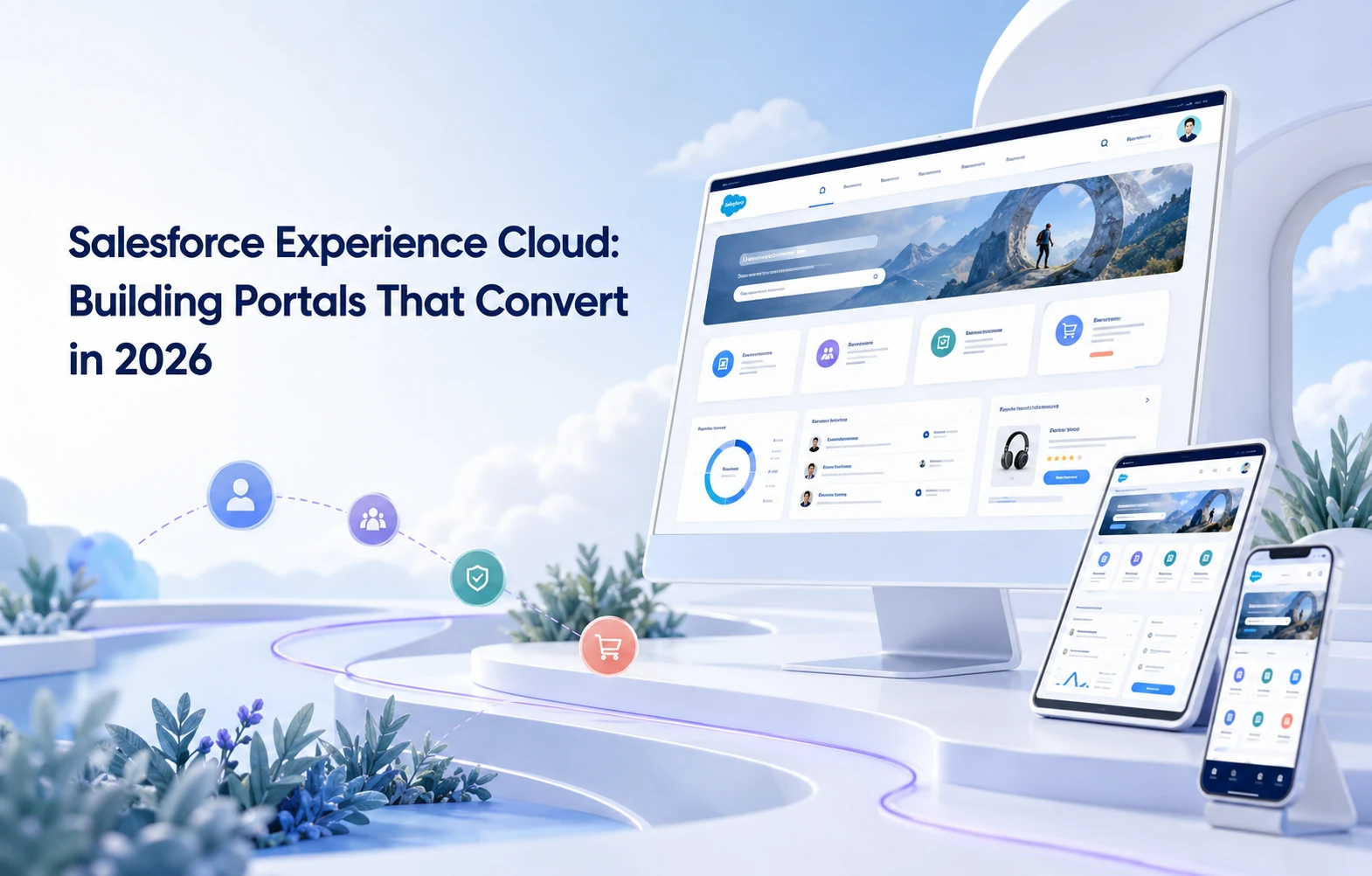
The difference between a portal that converts and one that collects dust comes down to exactly this kind of skill, which our Experience Cloud: Building Portals That Convert guide explains in depth. Certified Salesforce Experience Cloud developers who understand that difference are the ones worth hiring.
What to Look For Beyond the Certificate
A few things matter as much as the credential.
Genuine component and front-end skill. Ask to see custom Experience Cloud work, not just standard page assembly. Custom Lightning Web Components done well are what lift a portal beyond the template.
A firm grasp of security and sharing. External-facing portals live or die on getting access right. A developer who cannot explain how they control what external users see is a real risk.
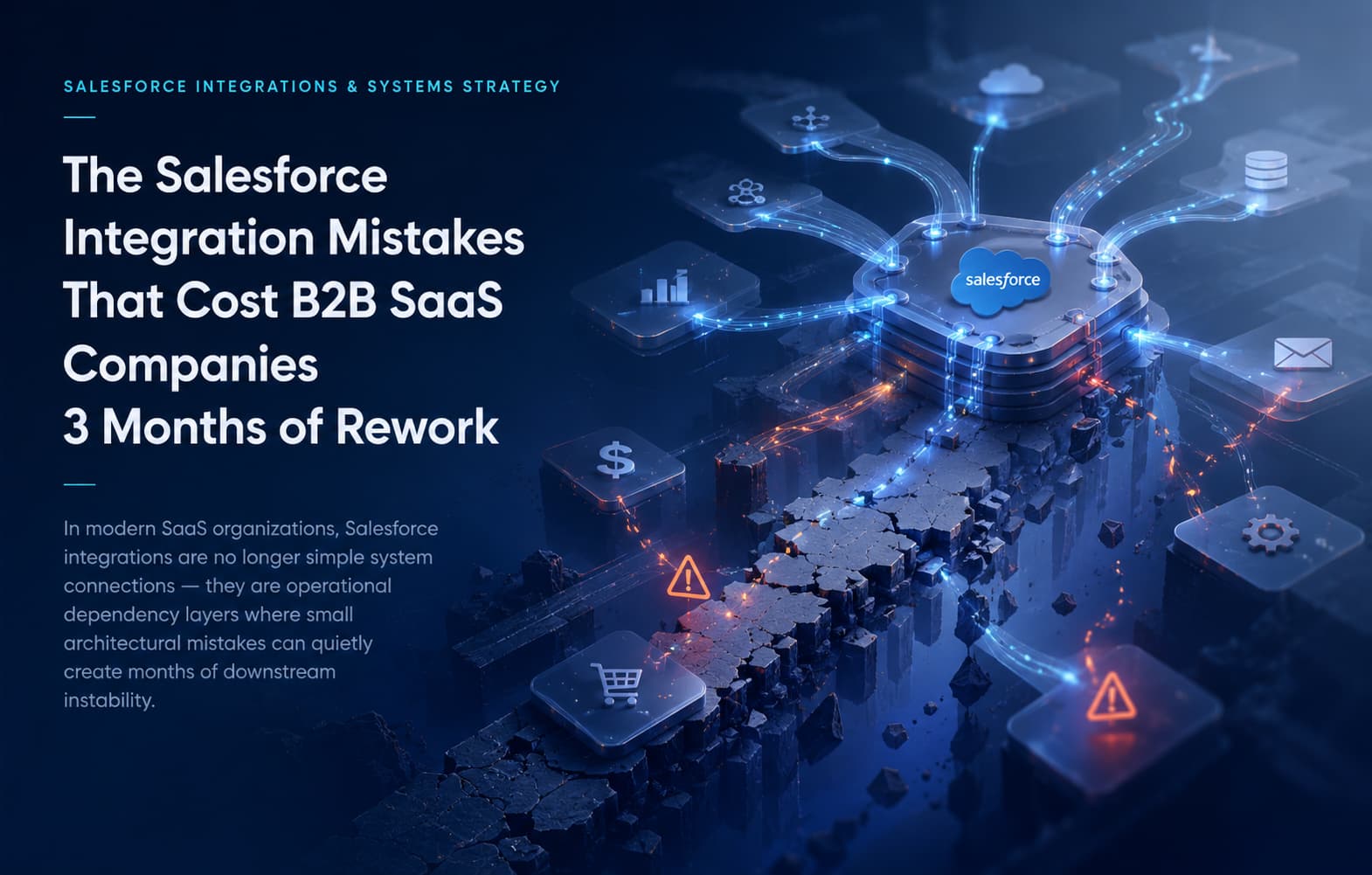
Integration ability. A portal is only useful if the data in it is live and accurate, which usually means connecting Salesforce to other systems.
Adoption and mobile awareness. Customers judge your portal against every app they use daily, so mobile experience and usability are not optional.
This is genuine development work, and where custom build meets configuration matters. Our Salesforce Development & Customization guide covers what building to last actually looks like, and it applies directly when you hire certified Salesforce Experience Cloud developers.
Freelancer, Agency, or a Wider Partner?
A strong freelance developer can be ideal and cost-effective for a contained portal, though you rely on one person and their knowledge leaves when they do. An agency or wider partner gives you a team, cover, and the surrounding skills a portal often needs, design, integration, admin. For a portal that is central to your business, that breadth usually wins.
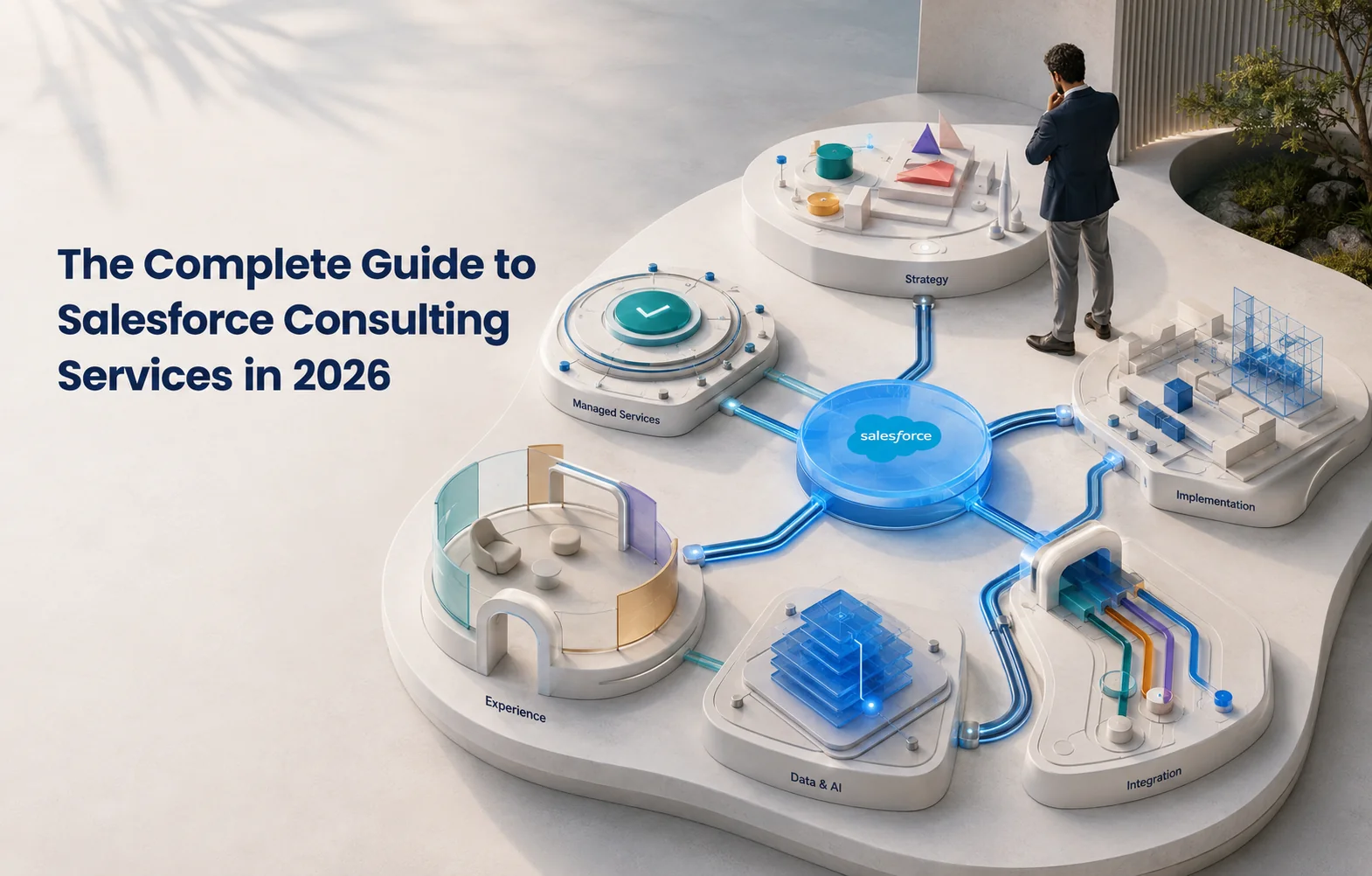
Whichever route you take, evaluate carefully. Our Top 10 Questions to Ask Before Hiring a Salesforce Consulting Firm guide gives a checklist that applies just as well to hiring developers as to hiring a firm.




.webp)





%20(1).webp)