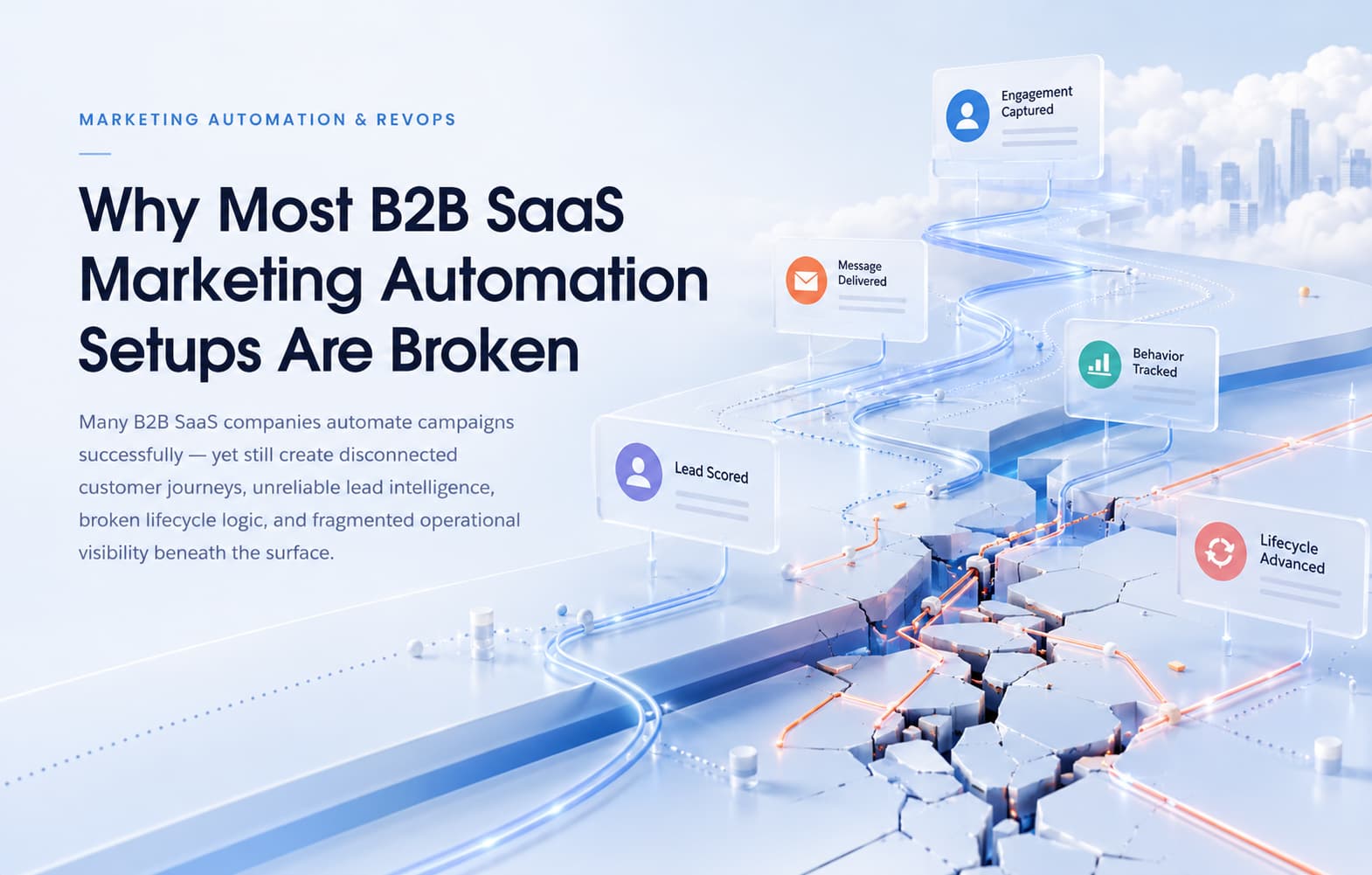
Agentforce for Service: AI-Powered Customer Support with Salesforce

Table of content

Think about the last time you contacted a company and a bot wasted three minutes of your life before finally passing you to a human who could actually help. That experience, the useless chatbot, is what most people picture when they hear AI in customer service. Agentforce for Service is Salesforce's attempt to make that picture out of date, and in 2026 it is doing a genuinely better job of it than the bots that came before. Here is what it is, what it changes, and where the limits still are.
This is a plain guide to Agentforce for Service for anyone running a support operation on Salesforce.
What Agentforce for Service Actually Is
Agentforce for Service is the AI-agent layer built on top of Service Cloud, so much so that Salesforce now brands the combined product as Agentforce Service. Rather than a scripted chatbot, it uses AI agents that can actually resolve customer issues: answering questions, checking order status, handling common requests, and taking real action, not just deflecting to a menu.
It runs on the Atlas Reasoning Engine, grounded in your data through Data 360 and governed by the Einstein Trust Layer, and as of the 2026 Claudeforce partnership, Anthropic's Claude is available as a reasoning model inside Agentforce. The practical difference from an old chatbot is that Agentforce for Service reasons over your actual customer and case data, so its answers come from your business rather than a rigid script. If you are new to the platform itself, our guide to what Salesforce Agentforce is sets out the wider agent platform this service layer sits inside.
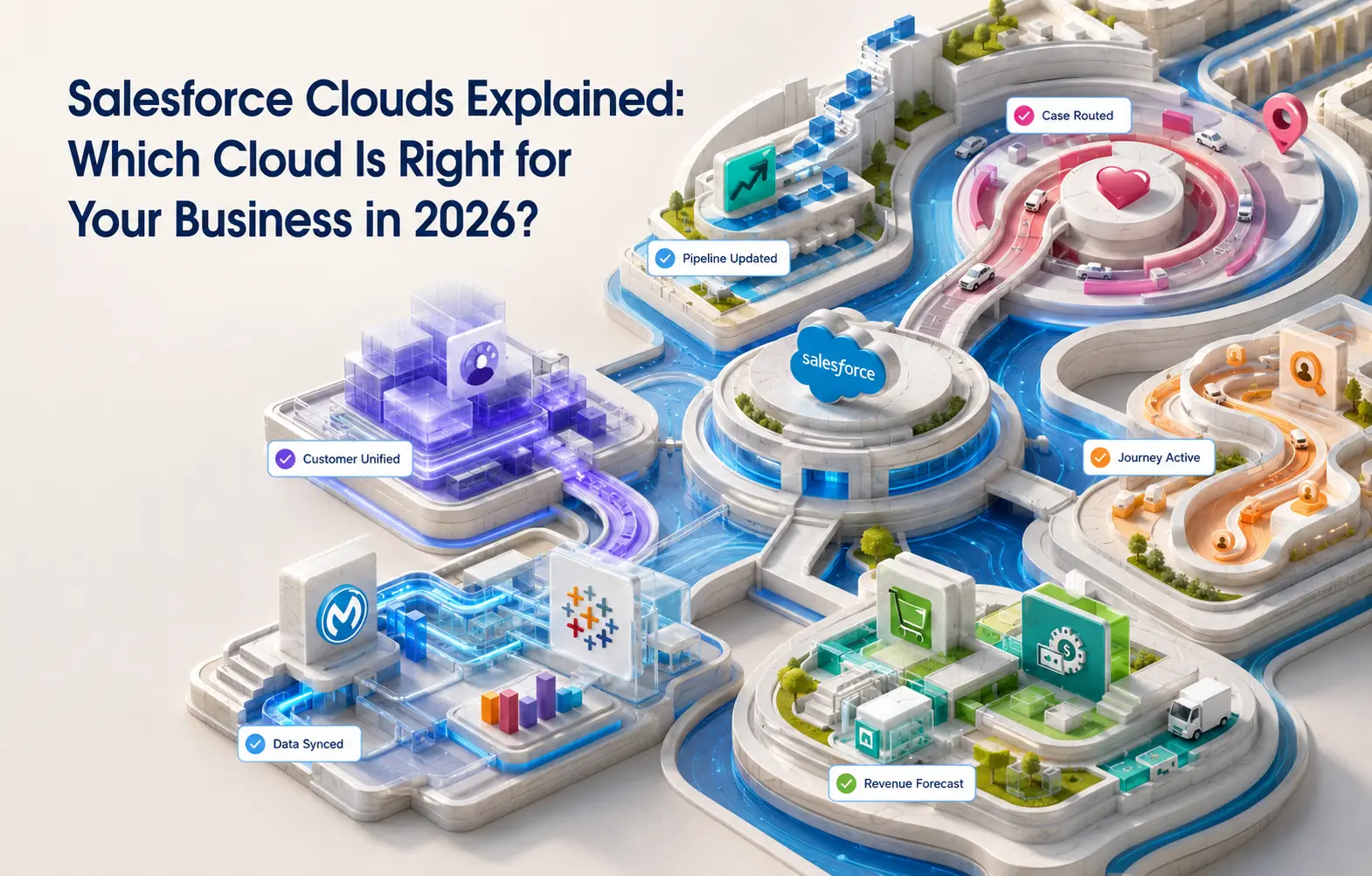
Agentforce for Service builds on Service Cloud, so a solid Service Cloud setup underneath it matters. Our Service Cloud Roadmap covers that foundation. This piece focuses on the agent layer. Service Cloud is also one of several Salesforce clouds, and our breakdown of which cloud is right for your business shows where it fits.
What It Actually Does
The clearest value is in Tier-1 volume, the routine, repetitive cases that eat a support team's day. Agentforce for Service can resolve a genuine share of these autonomously: password resets, order status, known questions, common requests, around the clock, and it hands the complex cases to a human with the full context already attached. No making the customer repeat themselves.
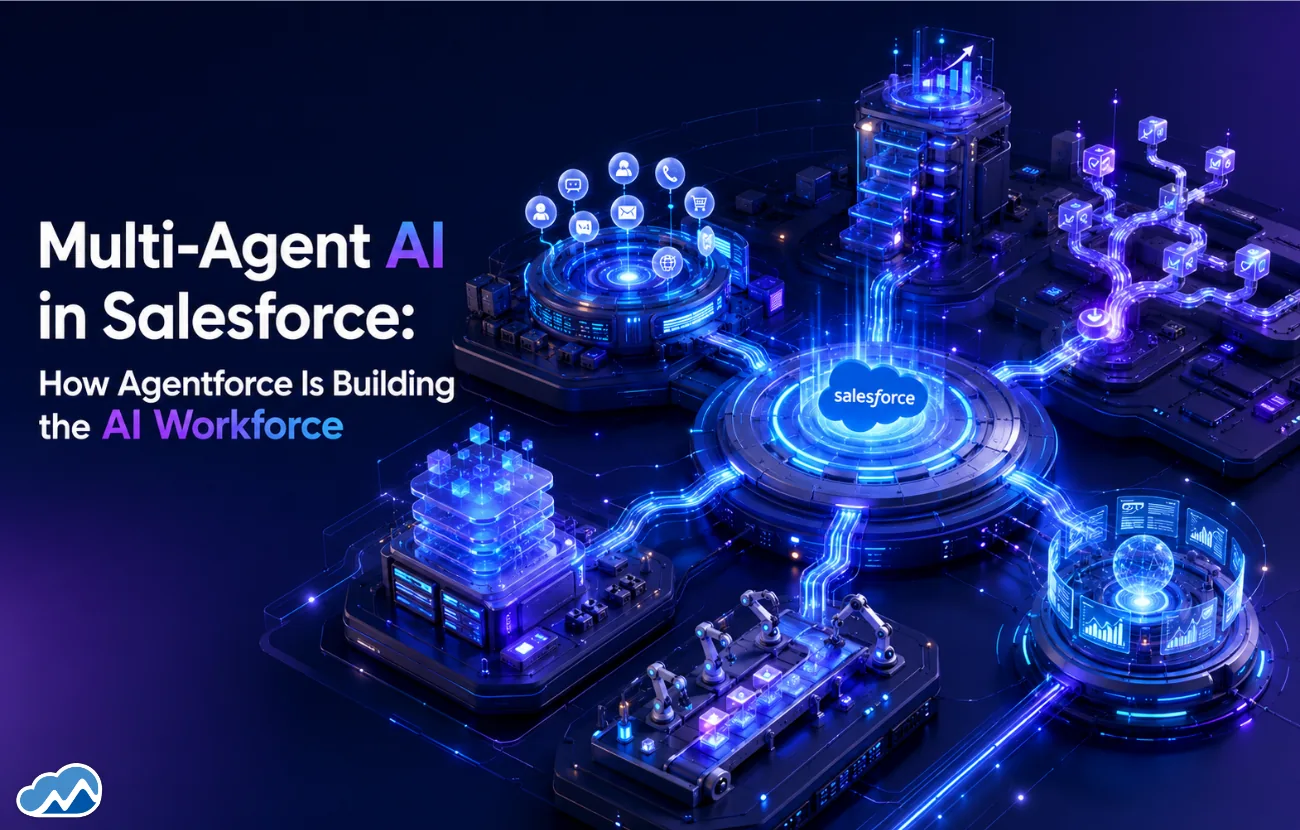
Done well, that frees your human agents for the difficult, high-value conversations where they actually make a difference, while customers get faster answers to the simple things at any hour. The goal of Agentforce for Service is not to remove humans from support. It is to stop them spending their day on work that never needed a human in the first place. Service agents also rarely work alone: multi-agent AI in Salesforce explains how agents coordinate across functions.
What's New in 2026
A few things make this more credible than earlier attempts at service AI. The agents are grounded in your own knowledge and data rather than guessing, which is the difference between helpful and infuriating. Claude's reasoning is now available inside Agentforce through Claudeforce, raising the quality of the answers. And Salesforce prices it in a way that ties cost to outcomes, with usage-based and per-conversation models and a free allowance of the first conversations for many customers, so you can start small. Adoption across Agentforce has reached tens of thousands of deals, which means this is running in real support operations, not just demos. For the wider picture, see our guide to Agentforce and AI trends in 2026.
The Honest Take
The caveats are important and consistent. Agentforce for Service is only as good as the knowledge base and data behind it. Point it at thin or outdated knowledge and it will confidently give wrong answers, which erodes customer trust fast. Pricing is usage-based, so it needs governing. And it works best as part of a well-built Service Cloud, not bolted onto a messy one. This is exactly why a strong knowledge base and clean data come before switching the agents on, not after.
Used with that discipline, Agentforce for Service is a real step forward. Used carelessly, it is just a faster way to frustrate customers. The difference is entirely in the foundation.
How to Get Started Sensibly
The sensible path is to build the foundation first. Get your Service Cloud in order, invest in a solid knowledge base, and make sure your data is clean. Then start Agentforce for Service on a contained set of well-understood Tier-1 cases, prove it resolves them reliably, and expand from there. That staged approach builds trust with both your team and your customers, rather than betting your support experience on a first attempt.
Frequently Asked Questions
.webp)
.webp)
.webp)














Agentforce for Financial Services: AI-Driven Banking & Insurance Solutions











.webp)












n8n Workflow Automation: From Lead Capture to CRM in Minutes, Not Hours


%20(1).webp)