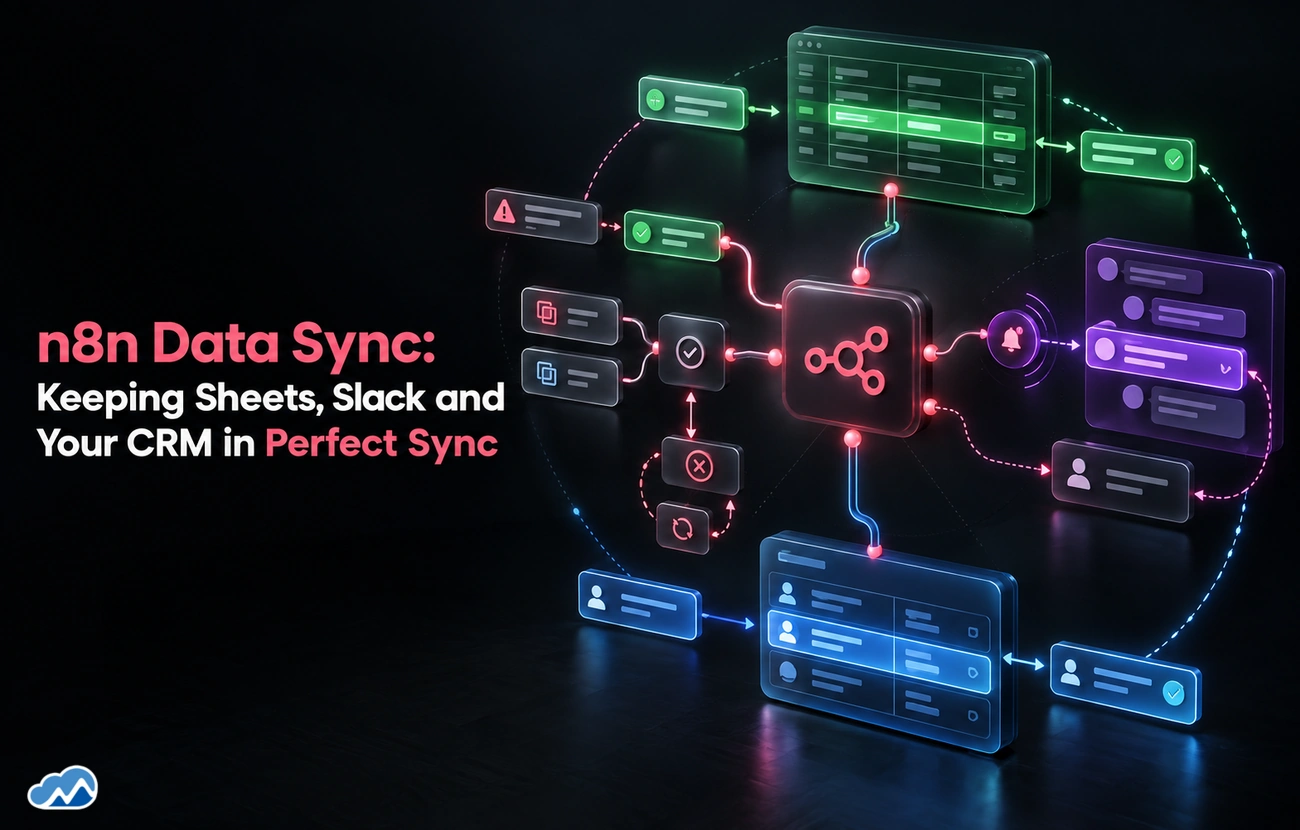
n8n Data Sync: Keeping Sheets, Slack and Your CRM in Perfect Sync

Table of content
Here is a problem almost every team recognises: the same information lives in several tools, and keeping them aligned is somebody's manual chore. A contact updates in the CRM but not the spreadsheet. A deal closes but Slack never hears about it. Someone exports, someone imports, and in between the data quietly drifts apart. n8n data sync is how you make that manual chore disappear, keeping your sheets, Slack and CRM genuinely in step. This guide covers how it works and where it helps.
Here is how n8n data sync keeps your tools in perfect sync, and why it beats the manual approach.
What n8n Data Sync Actually Does
n8n data sync is the use of n8n to move data automatically between the tools you already run, so a change in one is reflected in the others without anyone copying it by hand. Instead of exporting a spreadsheet on Friday and pasting it in on Monday, the sync happens on a trigger or a schedule, keeping everything current. The point is simple: your tools stay aligned on their own.
This is one of the core patterns covered in our n8n workflow automation guide. Data sync is often the first thing teams automate once they see how much manual reconciliation it removes.
The Everyday Case: Sheets, Slack and Your CRM
Take the most common trio. Your CRM holds the customer record, a spreadsheet holds some working data a team relies on, and Slack is where people actually notice things. Without n8n data sync, someone keeps these aligned by hand and someone always forgets. With it, a new CRM record can update the sheet automatically, a closed deal can post to Slack instantly, and a change in the sheet can flow back to the CRM. Everyone works from the same current picture, and nobody is the human glue holding it together.
Why Sync Matters More Than It Sounds
Out-of-sync tools are not just annoying, they are expensive. People act on stale data, reports contradict each other, and trust in the systems erodes until everyone quietly keeps their own version. n8n data sync fixes that at the root by making current data the default rather than something someone has to maintain. The payoff is time saved, fewer errors, and decisions made on information you can actually trust.
Sync Versus Deeper Integration
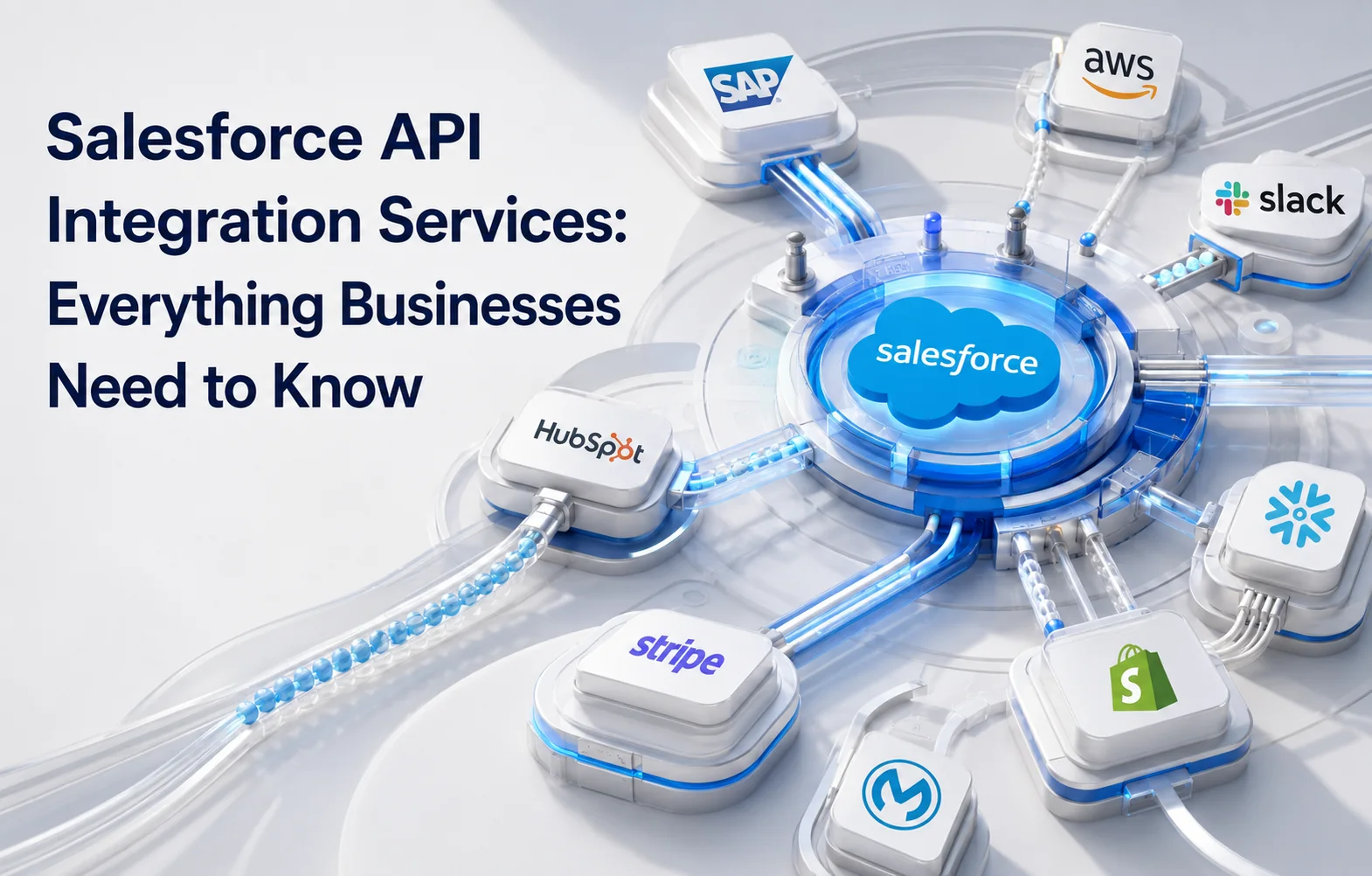
It is worth being honest about where n8n data sync fits. For keeping tools aligned, moving data on triggers and schedules, n8n is ideal and quick to set up. For deeper, real-time, high-volume integration between core systems, especially into Salesforce, you may want proper API integration engineering alongside it.
Our Salesforce API Integration Services guide covers that deeper work, and the two approaches complement each other. n8n data sync handles the everyday connective tissue; API integration handles the heavy, mission-critical connections.
Part of a Connected Stack
n8n data sync is often the starting point for something bigger: a properly connected stack where all your tools work as one system rather than a patchwork. Sync is the first step, and it naturally leads towards deeper connection between your CRM, marketing, communication and AI tools.
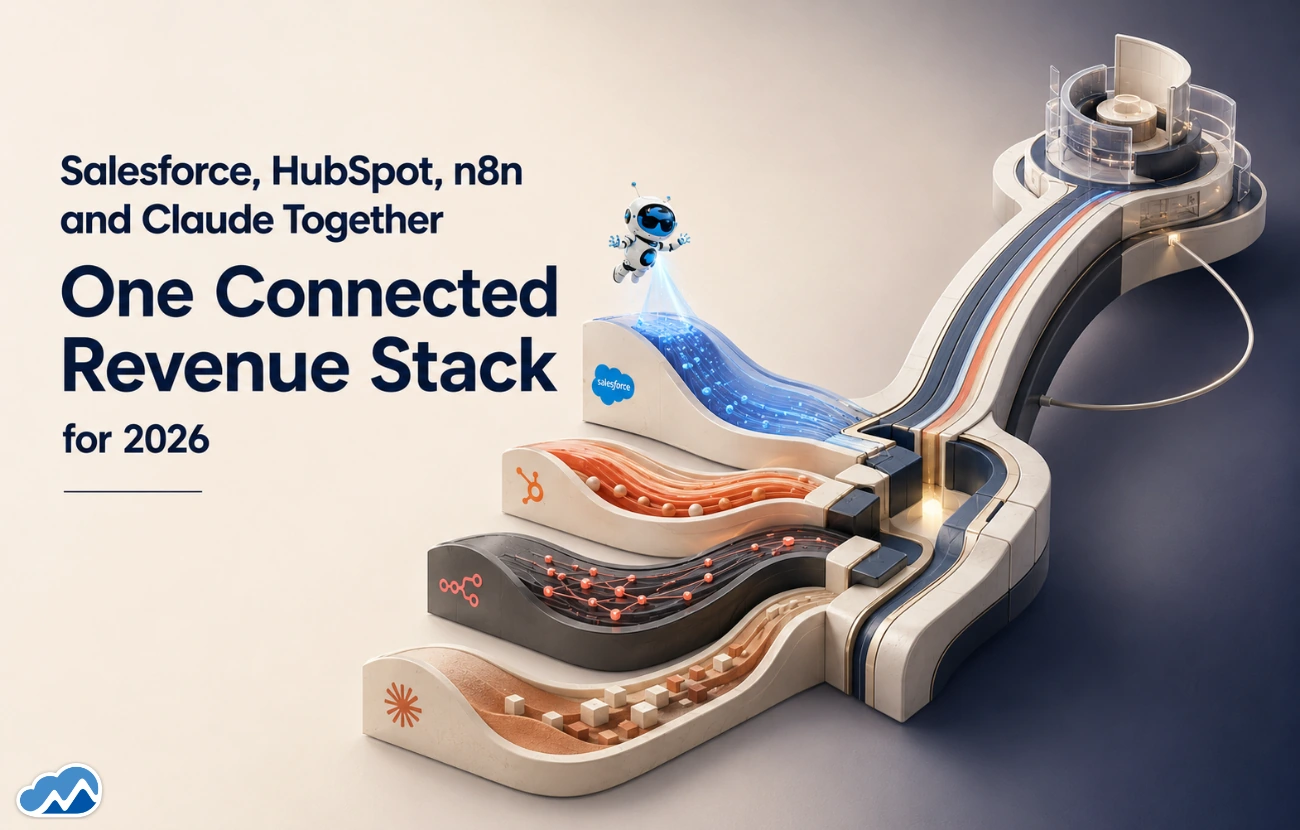
Our guide on Salesforce, HubSpot, n8n and Claude together shows what that fully connected stack looks like. n8n data sync is frequently how businesses take the first practical step towards it.
Frequently Asked Questions











Agentforce for Financial Services: AI-Driven Banking & Insurance Solutions











.webp)








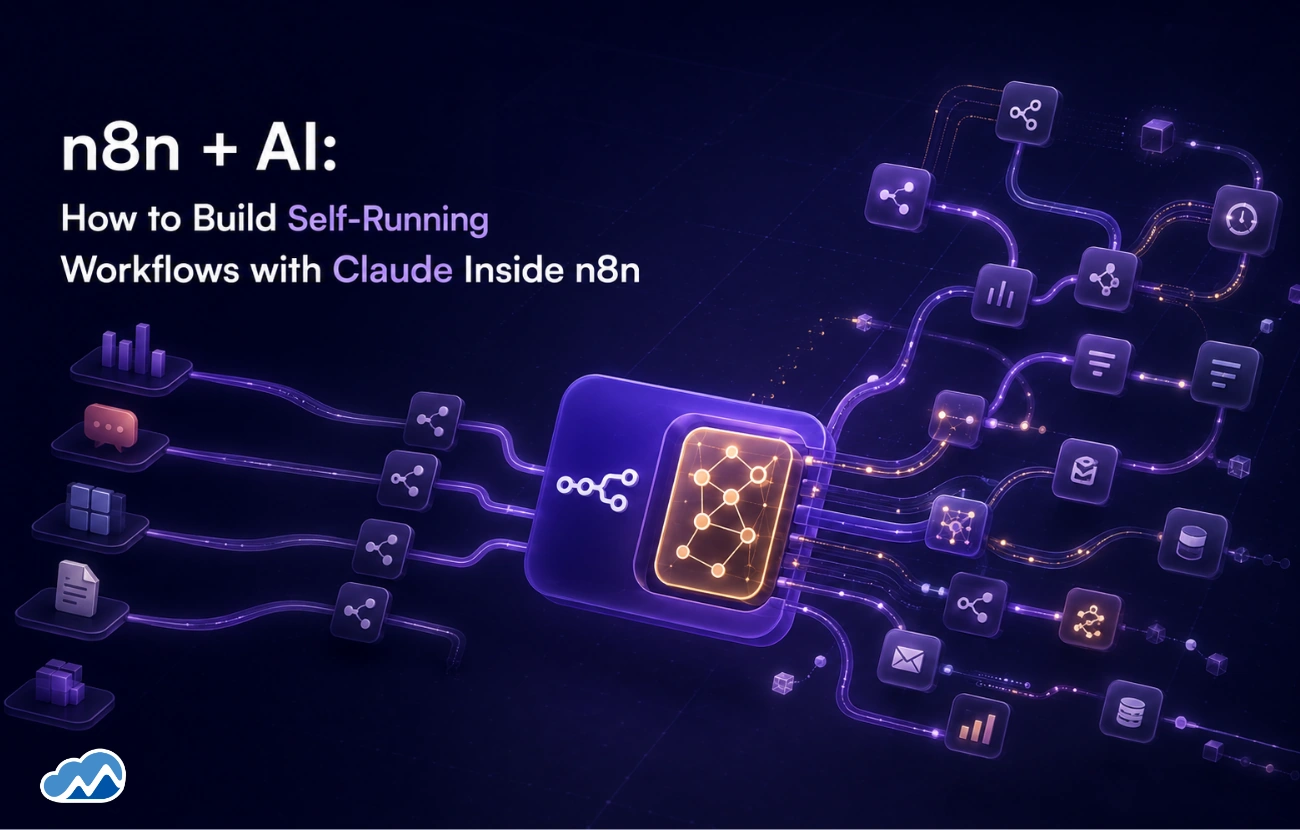
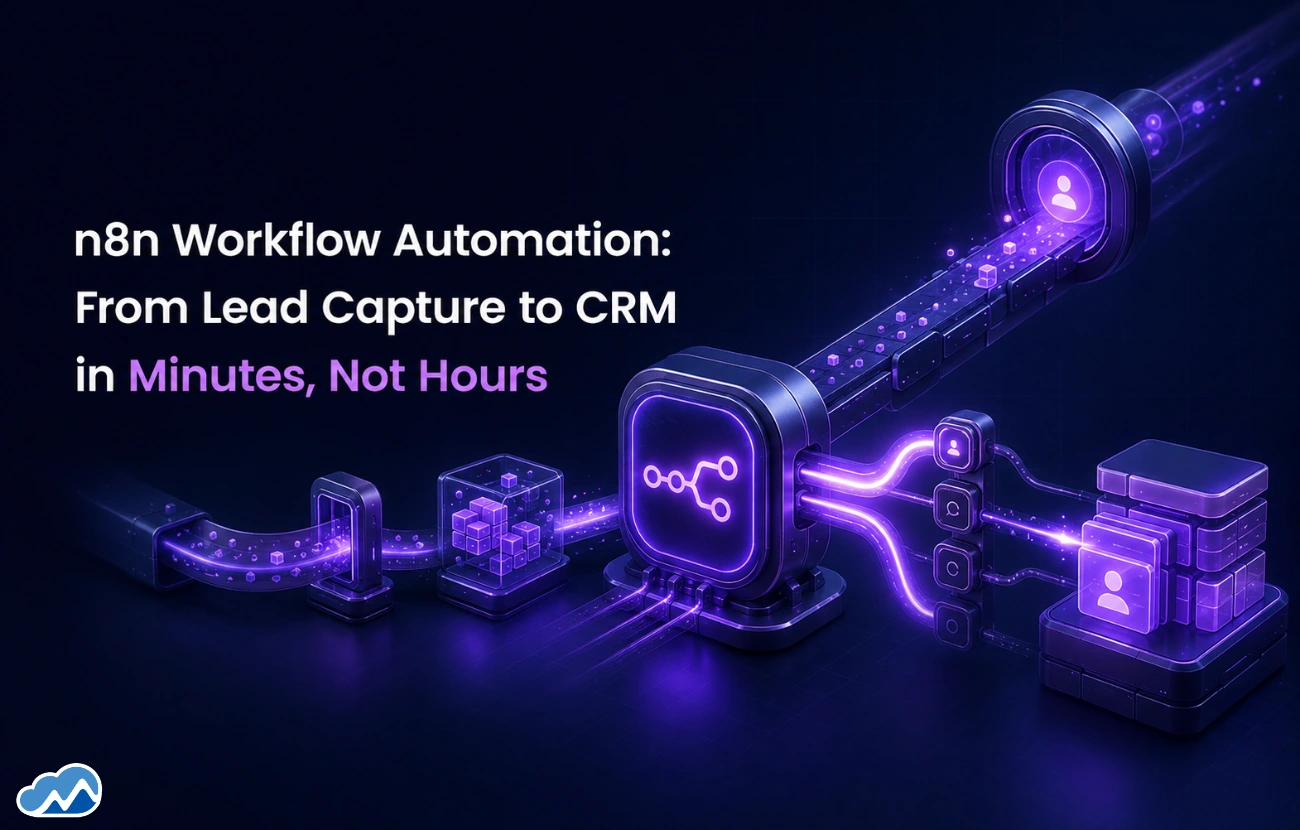
n8n Workflow Automation: From Lead Capture to CRM in Minutes, Not Hours


%20(1).webp)