Salesforce for Retail & E-Commerce: Powering Omnichannel Growth in 2026

Table of content
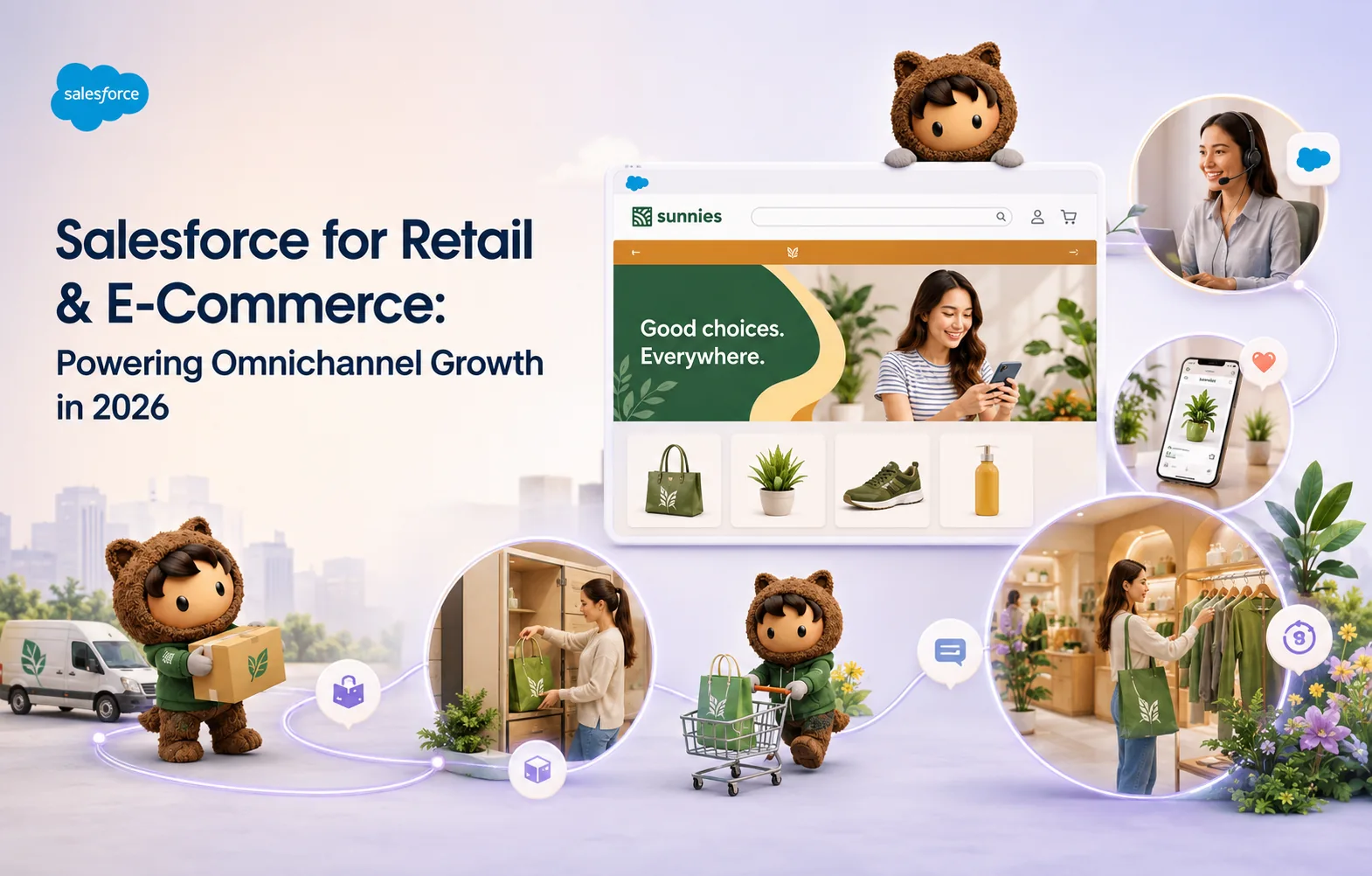
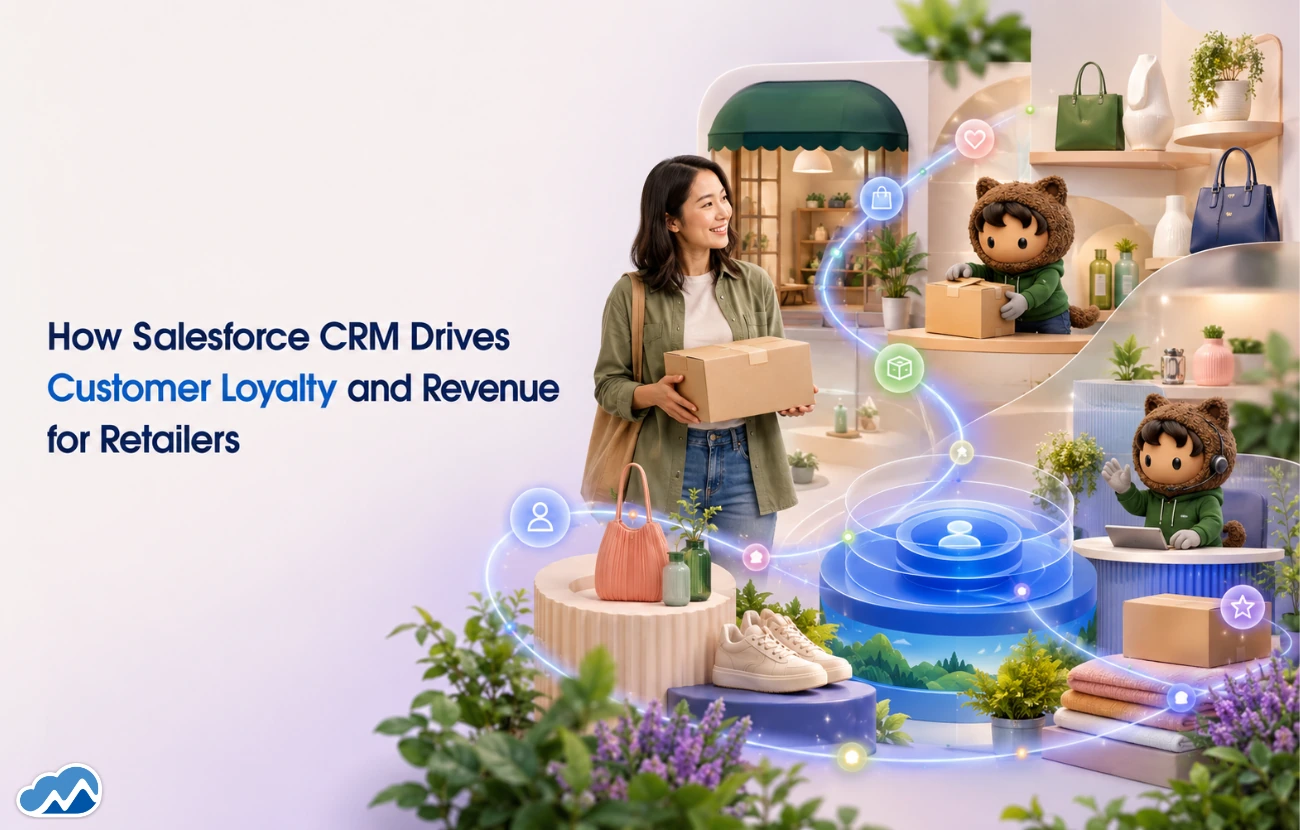
A shopper browses your website on their phone at lunch, buys something in your store that evening, then emails support the next morning about the order. To the customer, that's one relationship with one brand. To most retailers' systems, that's three strangers who happen to share an email address. Nobody joins the dots, and the customer feels it.
That gap between the seamless experience shoppers expect and the disconnected one most retailers actually deliver is the core problem Salesforce for E-Commerce is built to solve. Omnichannel has been the buzzword for a decade, but for a lot of retailers it's still a promise rather than a reality, because the channels run on separate systems that don't share a customer.
So let's talk about what it actually takes to make online, in-store and service feel like one connected experience.
What "Salesforce for E-Commerce" Really Means
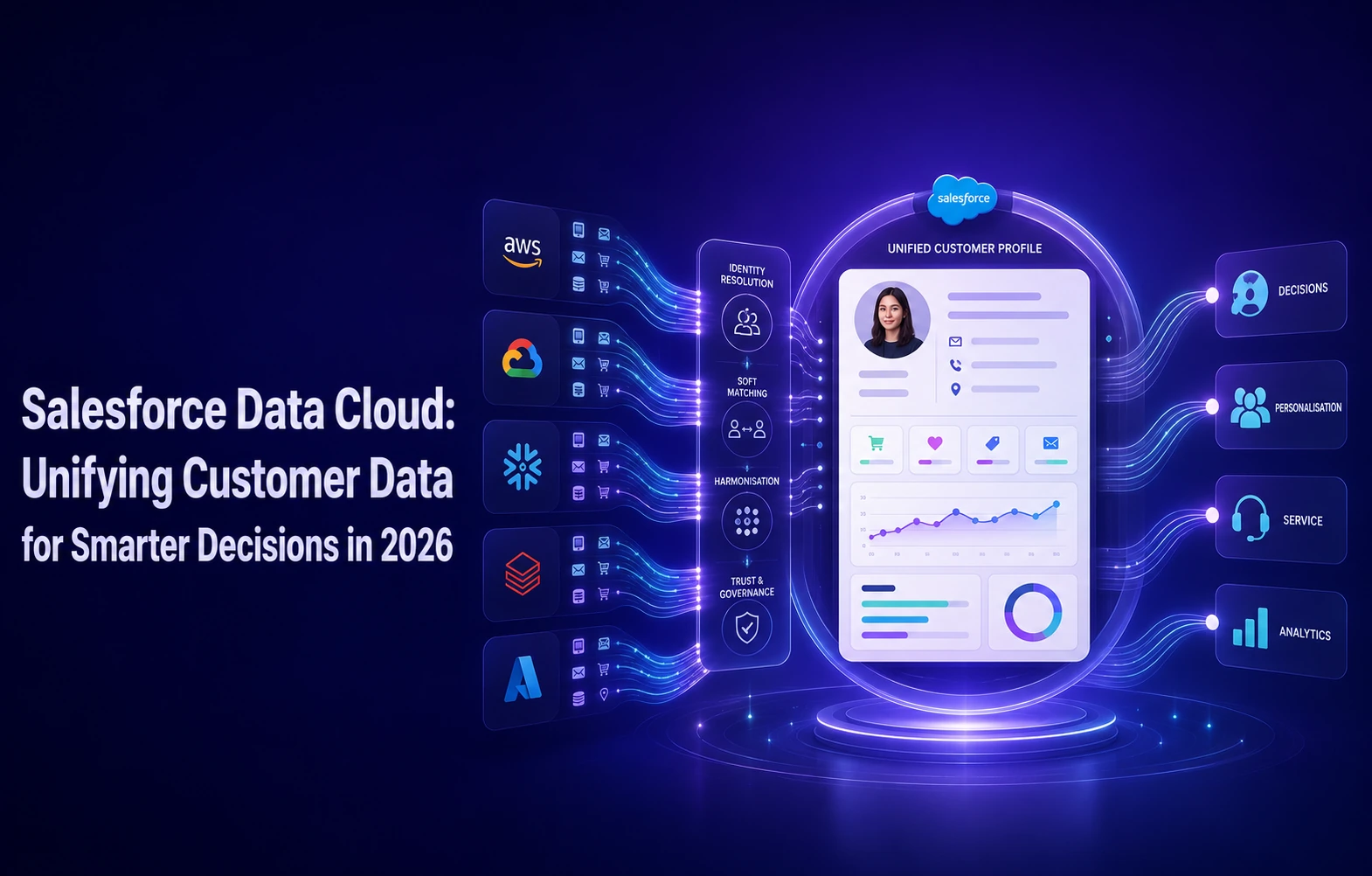
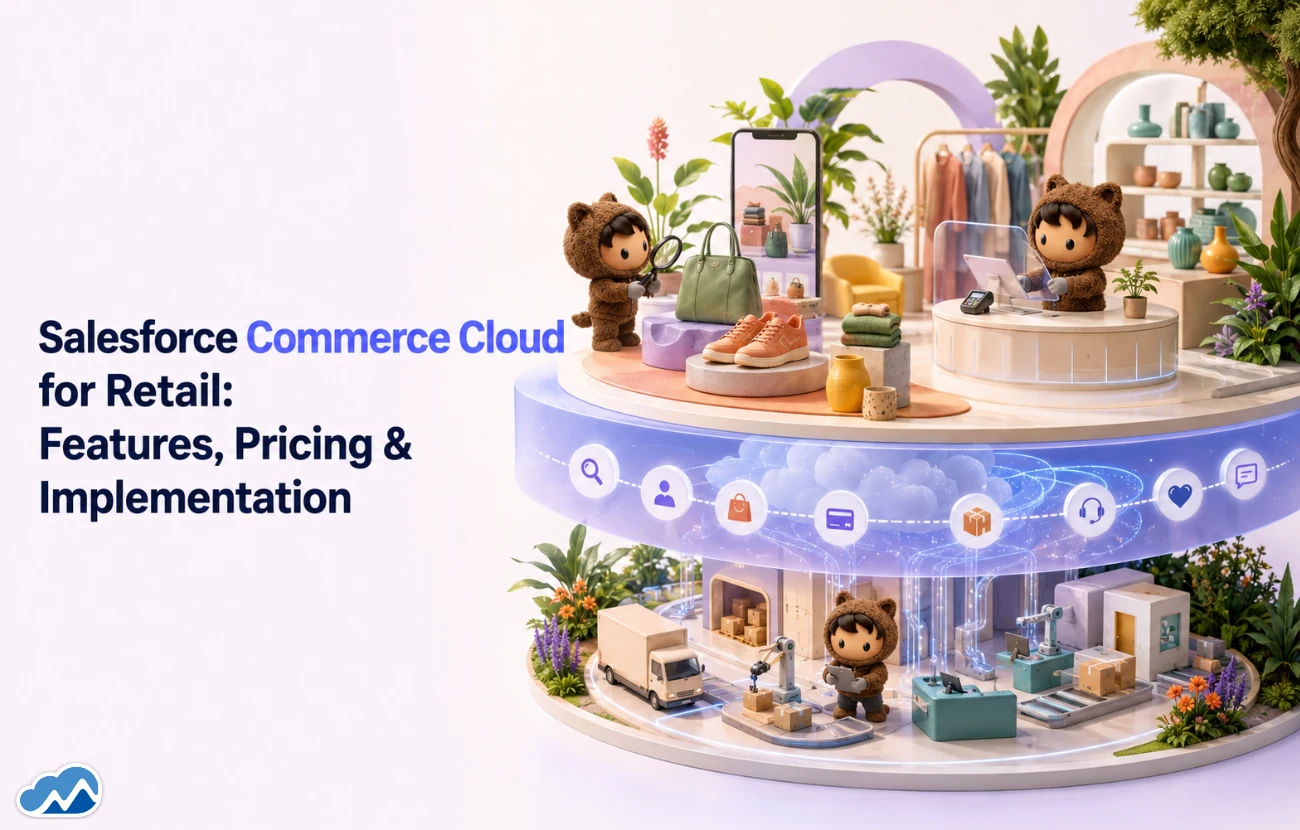
At its heart, Salesforce for E-Commerce is about running commerce and the customer relationship on one connected platform rather than a patchwork of disconnected tools. Commerce Cloud powers the storefront, online and increasingly across channels, while the wider Salesforce platform unifies the customer behind it, so the same person is recognised whether they're shopping online, standing in a store or contacting support.
That unification is the whole game. A generic e-commerce tool sells; Salesforce for E-Commerce sells and remembers, tying purchases, browsing, service history and preferences into one profile that every channel can see and use. That's the difference between omnichannel as a slogan and omnichannel as something customers actually experience.
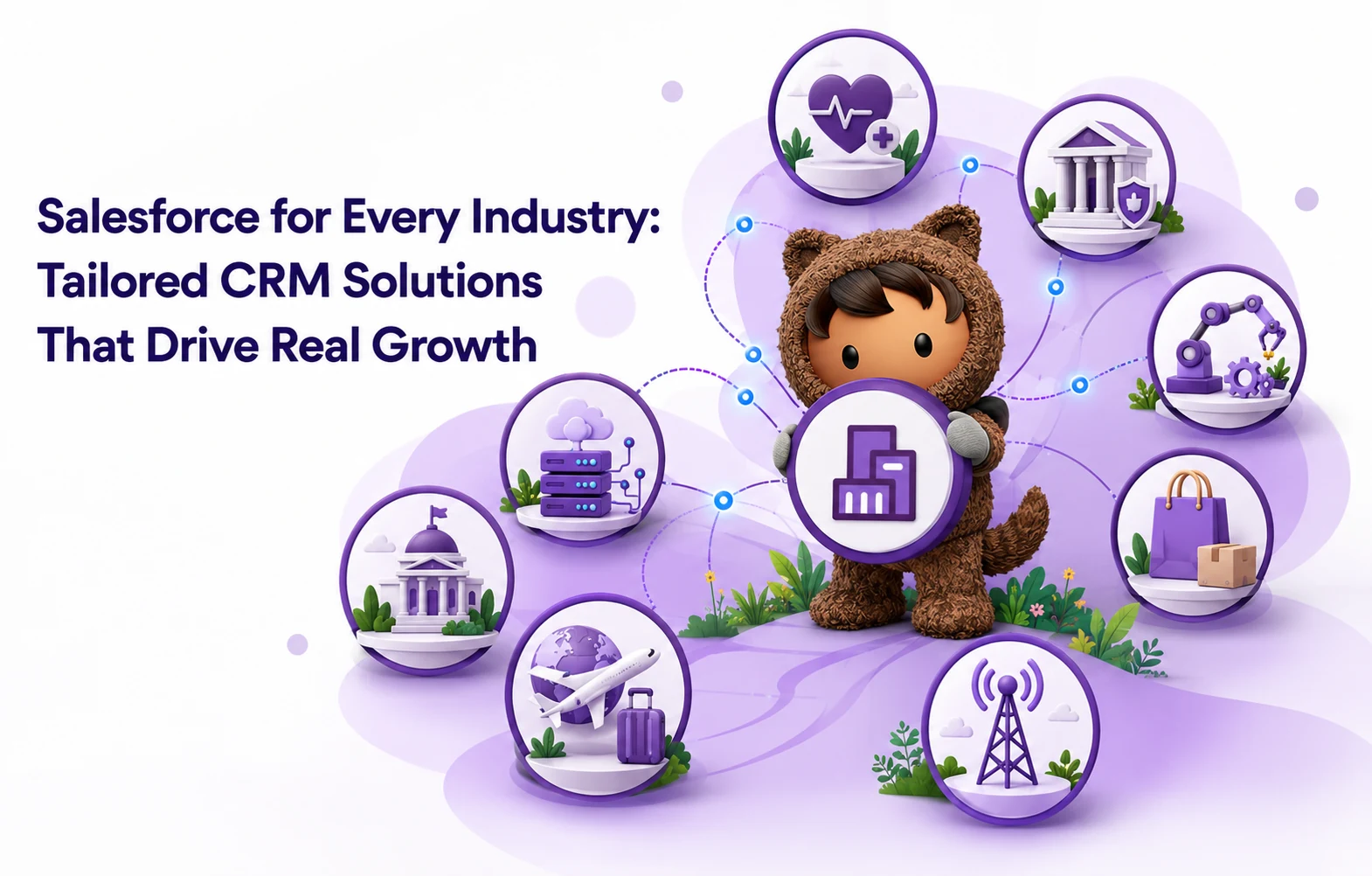
Retail is one of many sectors Salesforce is tailored for. For the broader picture, our Salesforce Industry Solutions guide covers how the industry approach works. This one is specifically about retail and e-commerce.
The Problems Retailers Actually Have
A few pain points show up in nearly every retailer.
Disconnected channels. Online, in-store and mobile run on separate systems, so the experience breaks the moment a customer crosses between them.
A fragmented customer view. The same shopper looks like different people to different channels, so nobody sees the whole relationship.
Generic experiences. Without a unified profile, personalisation is shallow, and shoppers get treated like strangers even when they're regulars.
Poor inventory and order visibility. Customers get told something's in stock when it isn't, or can't track an order cleanly across channels.
How Salesforce Powers Omnichannel
A well-built Salesforce for E-Commerce setup goes straight at those problems. A unified customer profile means the same shopper is recognised everywhere, so online, store and service all work from one view. Connected commerce ties the storefront to that profile, so browsing and buying inform everything else. Order management gives clean visibility into stock and orders across channels, ending the "we said it was in stock" problem. And service on the same platform means support sees the customer's full history the moment they get in touch.
Pull those together and omnichannel stops being a slide in a strategy deck and becomes the actual experience: one brand, one customer, one continuous relationship across every channel.
Personalisation That Actually Converts
Here's where the unified profile pays off commercially. When you genuinely know a customer, what they've browsed, bought, returned and preferred, you can personalise in ways that lift conversion rather than annoy. Relevant recommendations, timely offers, experiences shaped to the individual instead of the average.
The catch, as ever, is that real personalisation depends on that single customer view. Shallow, guess-based personalisation off fragmented data tends to irritate more than it helps. This is exactly why Salesforce for E-Commerce leads with unifying the customer and treats personalisation as the payoff that sits on top, not the starting point. Get the profile right and the personalisation gets genuinely effective.
Where AI Fits
Retail is one of the most natural homes for AI, provided the data foundation is there. AI-driven product recommendations lift basket size and conversion. Einstein can predict what a customer is likely to want next or flag those at risk of churning. And Agentforce commerce and service agents can handle routine shopper questions, order status, returns, availability, instantly and around the clock, handing off to a human when needed.
All of it works best on the unified customer profile, which is the recurring theme: build the connected foundation first, then let AI turn it into recommendations and service that actually convert. On fragmented data, retail AI just guesses more confidently.
Mistakes We See, and Signs You Need This
The common mistakes: bolting channels together without unifying the customer behind them, treating personalisation as a feature to switch on rather than something that depends on unified data, and leaving service disconnected from commerce.
As for whether you need it, be honest. Your online, store and mobile channels don't share a customer. The same shopper is several records to your systems. Personalisation feels generic because it's working from fragments. Stock and order visibility across channels is shaky. Two or three of those, and Salesforce for E-Commerce isn't a luxury, it's what turns omnichannel from a promise into a reality.
Choosing a Retail Salesforce Partner
A few things separate a partner worth keeping. They lead with unifying the customer, not just connecting storefronts. They treat personalisation as something built on that unified data, not a bolt-on. They join commerce and service rather than leaving support in a silo. And they build for the long term, because retail moves fast and the platform has to keep up.
Frequently Asked Questions










Agentforce for Financial Services: AI-Driven Banking & Insurance Solutions







.webp)




n8n Workflow Automation: From Lead Capture to CRM in Minutes, Not Hours

%20(1).webp)