Salesforce Data Cloud Integration: Key Use Cases for Enterprise Businesses

Table of content
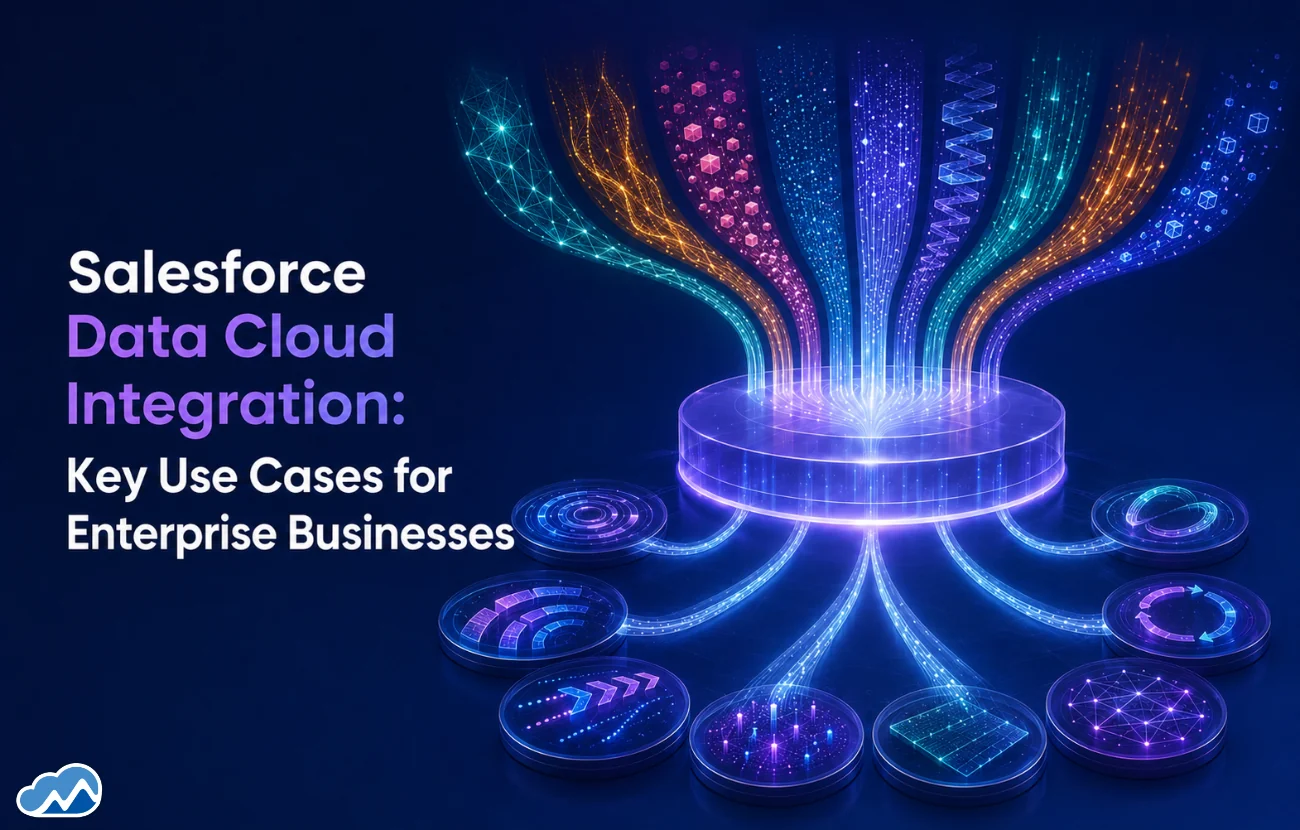
For enterprise businesses, the hard part of Data Cloud is rarely the platform itself. It is the integration: connecting all the systems where your customer data actually lives so Data Cloud can unify it into something useful. Get that right and you finally get one real-time view of each customer. Get it wrong and you have an expensive platform pointed at half your data. This is a practical look at Salesforce Data Cloud integration, the use cases that matter most for enterprises, and how to approach it.
Here is what Data Cloud integration actually involves and where it delivers the most value.
What Salesforce Data Cloud Integration Means
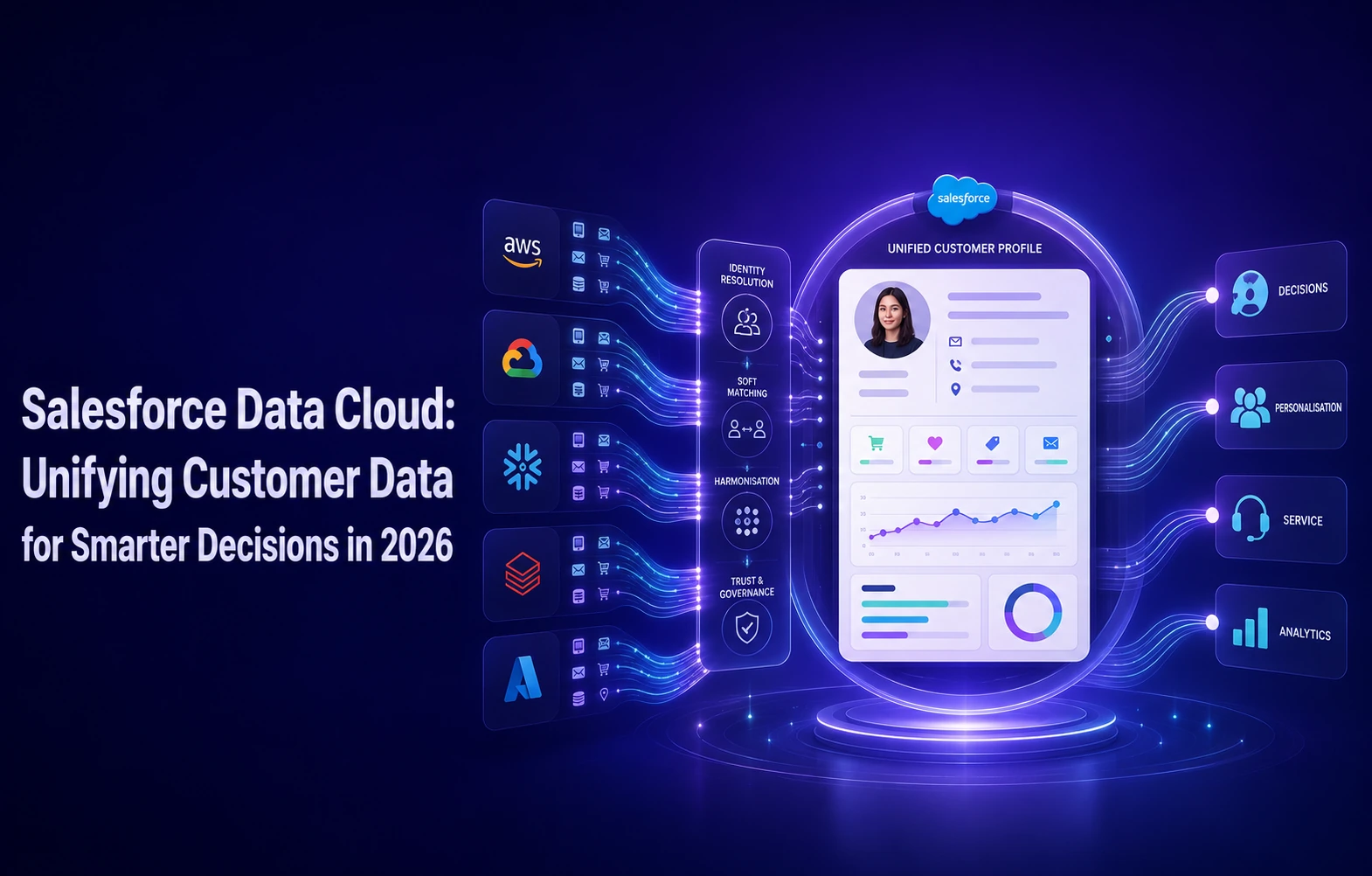
Salesforce Data Cloud integration is the work of connecting your data sources, Salesforce and non-Salesforce, into Data Cloud so it can unify them into a single, real-time profile of each customer. Data Cloud is only as valuable as the data flowing into it, which makes the integration the part that decides whether it succeeds.
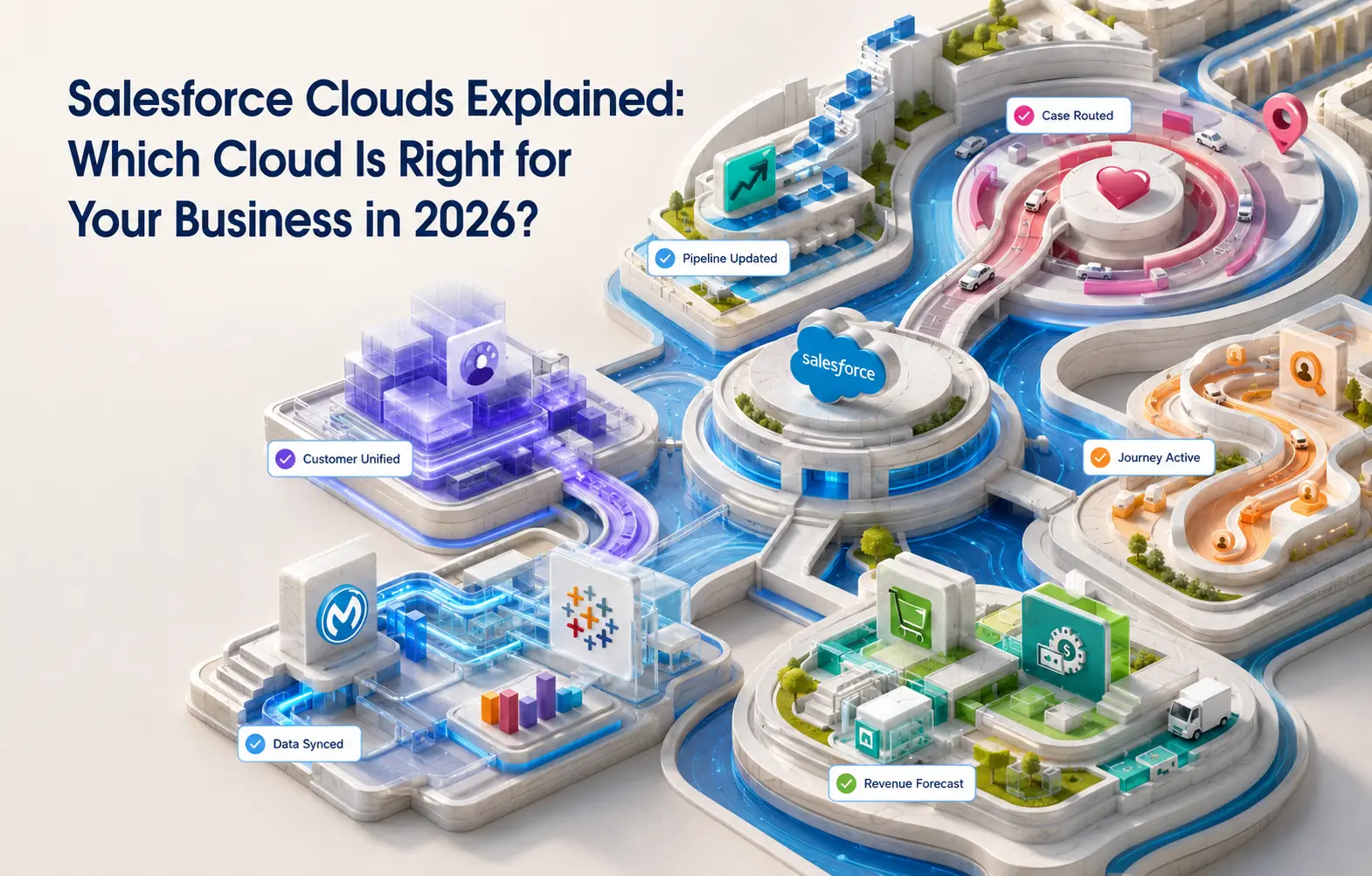
Data Cloud itself is covered in our Salesforce Data Cloud guide, and where it sits among the other clouds is in our Salesforce Clouds Explained guide. This piece focuses specifically on the integration side, which is where enterprise projects tend to live or die.
Key Use Cases for Enterprise Businesses
A few Salesforce Data Cloud integration patterns come up again and again in larger organisations.
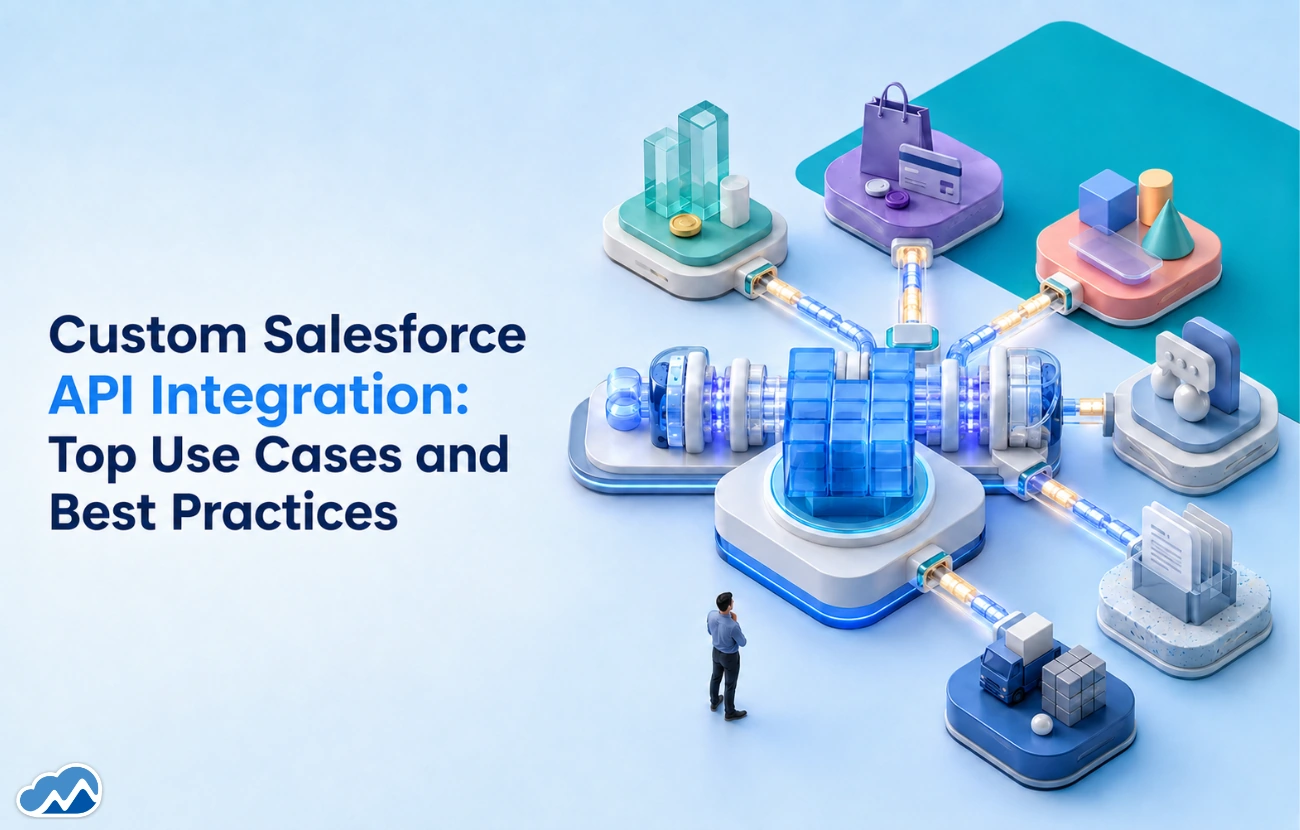
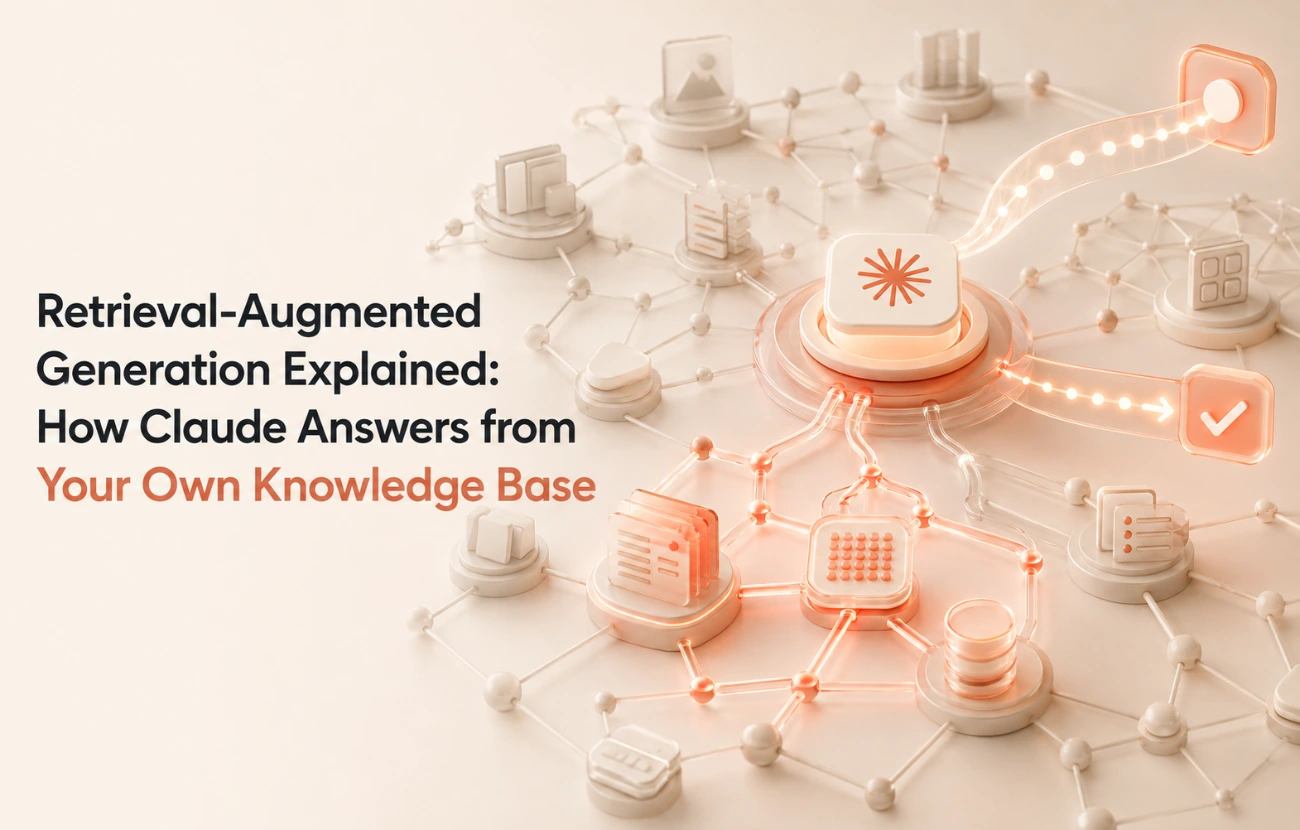
Unifying fragmented sources. The core use case. Enterprises hold customer data across CRM, marketing, service, commerce, billing and data warehouses, and integration brings those together so the same customer is one profile rather than several.
Real-time activation. Once unified, that profile is pushed back into the tools that act on it, marketing, sales, service and AI, so the data does something rather than sitting in a report.
Grounding AI and Agentforce. This is increasingly the point. Salesforce's AI agents are only as good as the data behind them, and Data Cloud integration is what gives them a unified, current view to reason over.
Connecting external data platforms. Many enterprises run Snowflake, Databricks or BigQuery, and Data Cloud is designed to work with that data, increasingly without forcing yet another copy of everything.
How the Integration Actually Works
A sound Salesforce Data Cloud integration starts by deciding which sources genuinely matter, then connecting and ingesting them, harmonising them into a common shape, and doing the careful identity-resolution work of matching records to real people. From there it is about calculated insights and activation, pushing the unified data back out to where it is used.
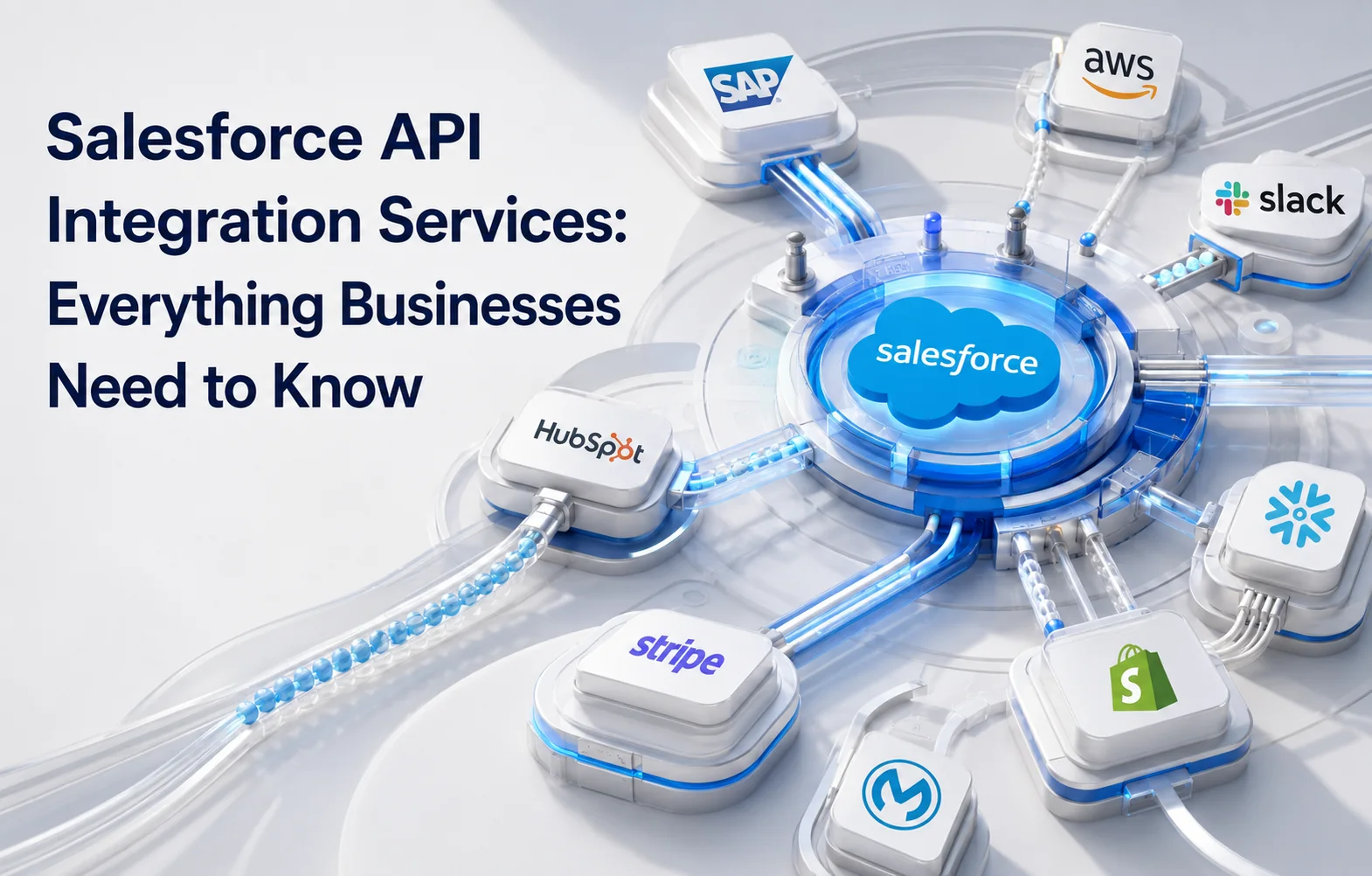
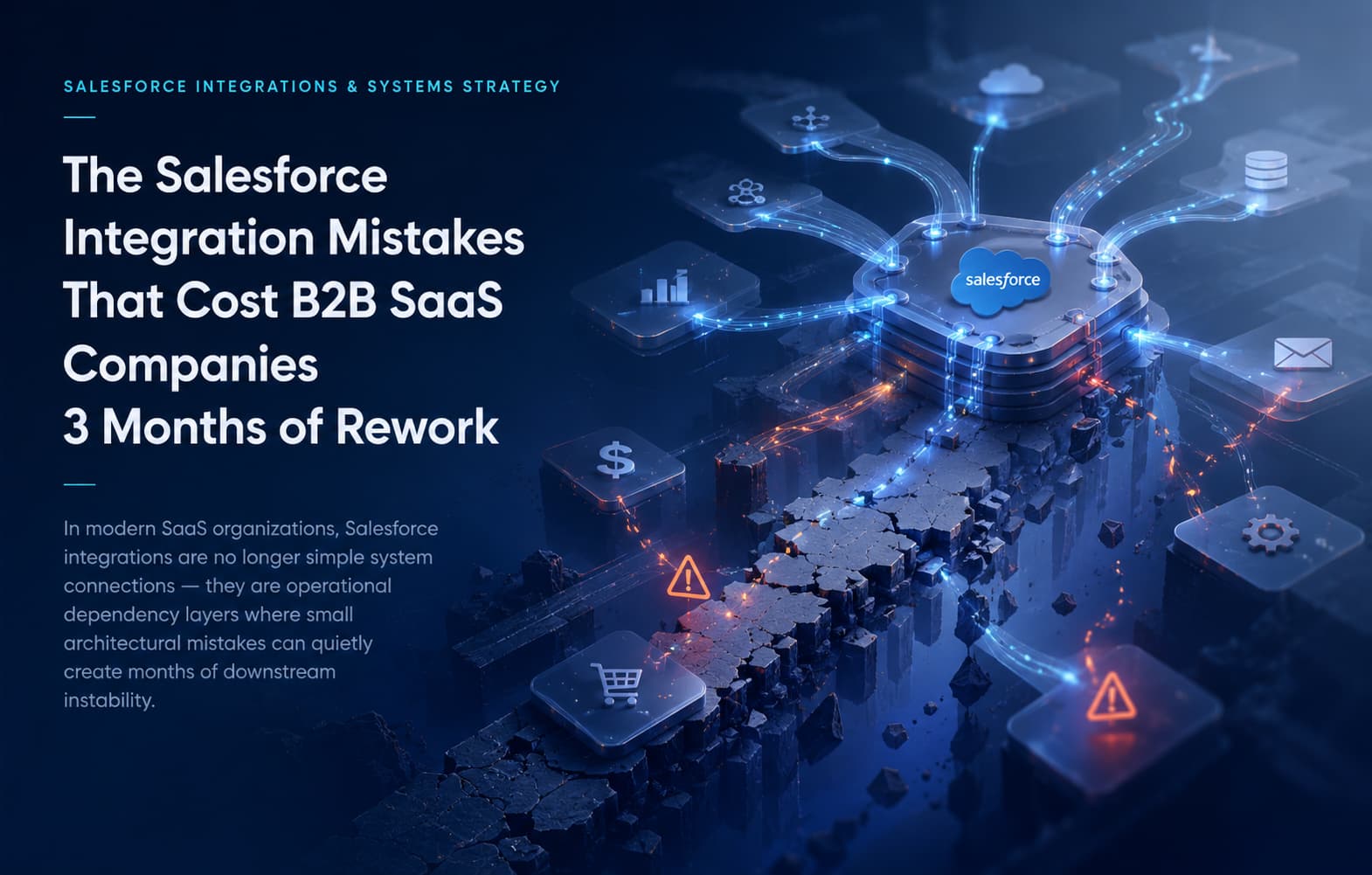
Much of this is real integration engineering, the same discipline covered in our Salesforce API Integration Services guide. And because unifying data often runs alongside cleaning and moving it, our Salesforce Data Migration guide is a useful companion, since the quality of what you feed Data Cloud decides the quality of what comes out.
Getting It Right
The value of Salesforce Data Cloud integration is in the decisions as much as the plumbing. Pull in the wrong sources and you add cost and noise. Skip the identity-resolution work and you merge the wrong people. Forget activation and you have built an expensive read-only report. Done deliberately, though, it becomes the foundation everything else, personalisation, analytics and AI, stands on.




.webp)






%20(1).webp)