Salesforce AppExchange Development: How to Build and Launch Your App

Table of content
.webp)
Building something useful on Salesforce is one thing. Packaging it up and selling it to other Salesforce customers is a completely different game, with its own rules, its own gatekeepers, and one famous hurdle that catches a lot of first-timers. That is the world of Salesforce AppExchange app development, and if you are thinking about turning your idea into a listed product, it pays to know what the journey actually looks like before you start.
This is a practical walk through building and launching an app on AppExchange, the steps involved, the security review everyone worries about, and what has changed in 2026 with the arrival of the agentic era.
What Salesforce AppExchange App Development Means
AppExchange is Salesforce's marketplace, where businesses find apps and components that extend what Salesforce does. Salesforce AppExchange app development is the work of building one of those products: not a customisation for a single org, but a packaged application, usually a managed package, that other customers can install into their own Salesforce and that you can support and update centrally.
The distinction matters. Building for your own org is about solving one company's problem. Building for AppExchange means solving a problem for many companies, at once, in a way that installs cleanly into orgs you have never seen and passes Salesforce's quality bar. That is a higher standard, which is exactly why Salesforce AppExchange app development is its own discipline. If what you actually need is a solution for one org, that is Salesforce development and customisation work rather than a packaged product.
What Has Changed in 2026
The marketplace has evolved with Salesforce's shift to agents. Alongside the classic AppExchange for apps and components, Salesforce now has AgentExchange, a marketplace for agent actions, topics and templates built for the Agentforce era. For anyone doing Salesforce AppExchange app development today, this is worth paying attention to, because the opportunity is no longer only about traditional apps. There is a growing market for agent building blocks that plug into customers' Agentforce setups, and getting in early on that shift is a real advantage.
The Build-and-Launch Journey
A listed app goes through a fairly consistent path. Knowing it upfront saves a lot of surprises.
Validate the idea. Before building anything, be honest about whether enough Salesforce customers have the problem you are solving and would pay for it. The best Salesforce AppExchange app development starts with a real, repeatable need, not just a clever feature.
Become a Salesforce partner. To list on AppExchange you need to join the Salesforce Partner Program and set up a partner business org, which is where you build and manage your packages.
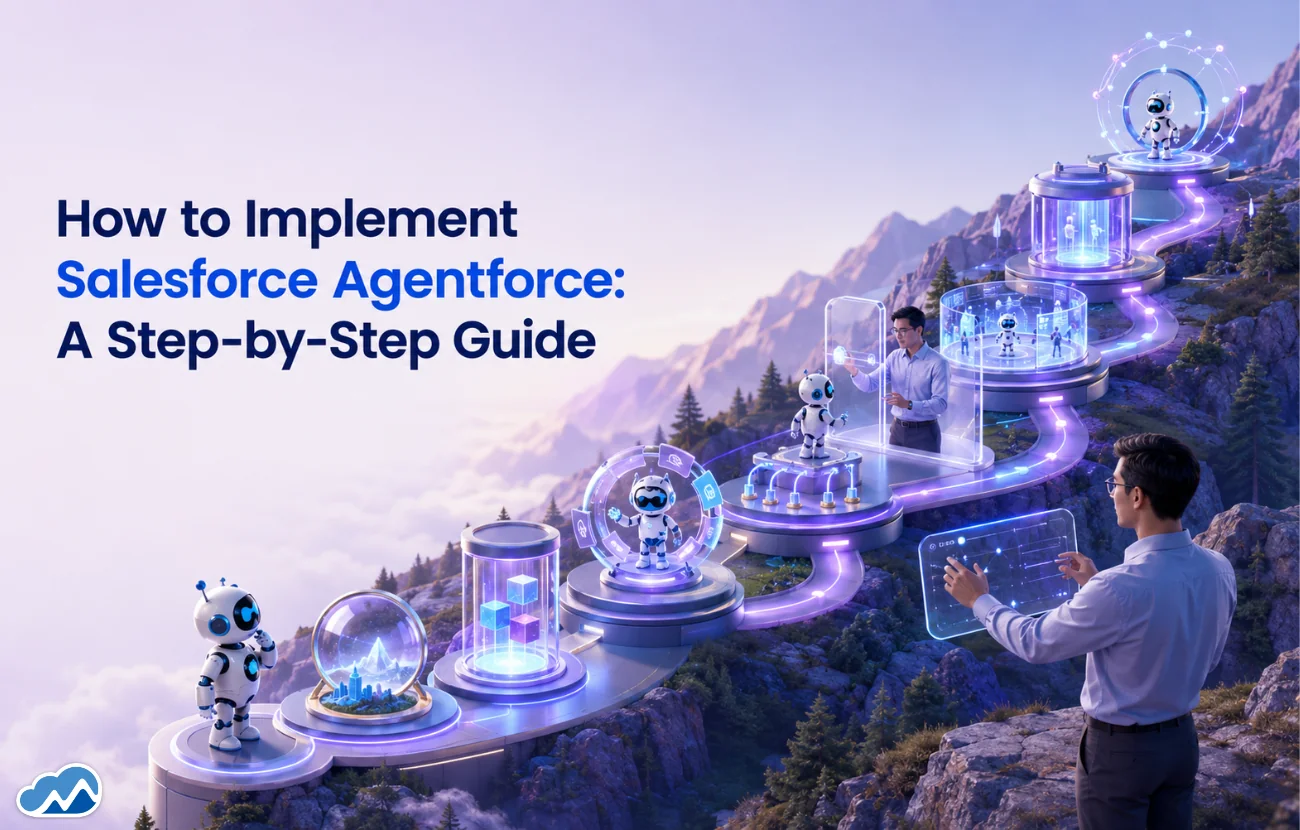
Design and build as a managed package. Your app is built as a managed package so it can be installed, versioned and updated across many orgs. This requires designing for orgs you cannot see, which means clean, self-contained, well-behaved code. If your app talks to systems outside Salesforce, the discipline is the same as any Salesforce API integration, only applied across every org that installs it.
Pass the Salesforce Security Review. This is the big one, covered on its own below.
Create your listing and launch. Once approved, you build your AppExchange listing, your story, screenshots, pricing, and go to market. Launch is the start, not the finish.
Support and maintain. Listed apps need ongoing updates through Salesforce's three yearly releases and real support for the customers who install them.
The Security Review: The Make-or-Break Step
If there is one part of Salesforce AppExchange app development that trips people up, it is the Security Review. Salesforce puts every app through a thorough security assessment before it can be listed, checking for vulnerabilities and making sure your app handles data safely. It is rigorous by design, and apps frequently need fixes and resubmissions before they pass.
The way to survive it is to build securely from day one rather than trying to bolt security on at the end. Follow Salesforce's secure coding guidelines throughout, test against them early, and treat the review as something you design for, not something you scramble to satisfy after the fact. Teams that plan for it clear it far faster than teams that treat it as a formality.
How AppExchange Apps Make Money
There are a few common models. Paid apps charge a licence fee, often per user per month. Freemium apps give away a basic version and charge for more. Some apps are free, used to support a wider business or services offering. Salesforce handles a lot of the commercial plumbing for listed apps, but you decide the model, and it is worth deciding early because it shapes how you build.
Common Mistakes to Avoid
A few patterns cause most of the pain. Building the app before validating that anyone wants it. Leaving security to the end and then failing the review repeatedly. Underestimating the ongoing support and release work after launch. And treating the listing as an afterthought, when your AppExchange presence is often the first thing a potential customer sees. Avoid these and the path gets a lot smoother.
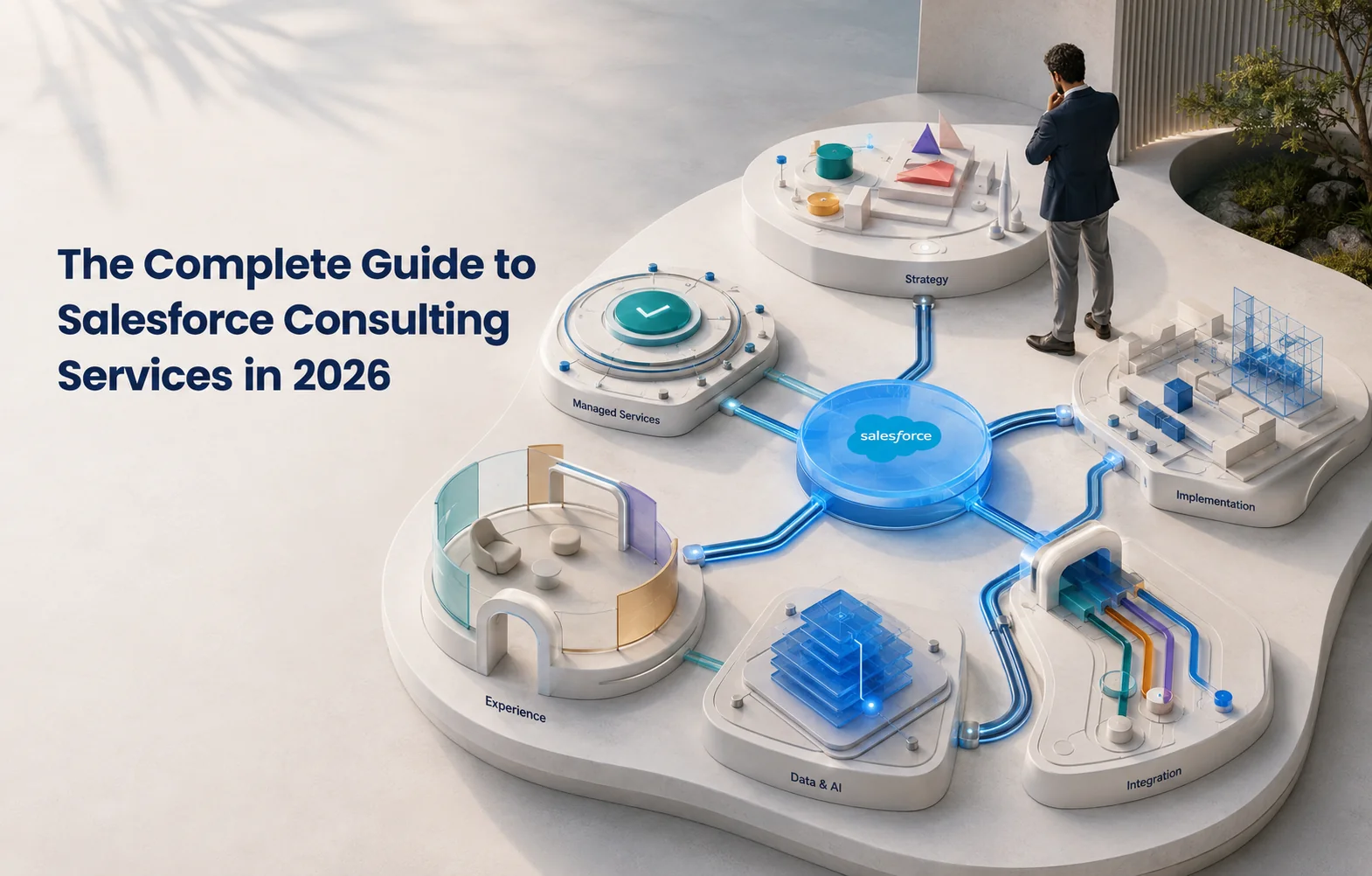
AppExchange development sits inside the wider world of building on Salesforce. For the bigger picture of how it all connects, our Complete Guide to Salesforce Consulting is a good place to start. This piece is about getting an app built and listed.
Frequently Asked Questions
.webp)
.webp)
.webp)














Agentforce for Financial Services: AI-Driven Banking & Insurance Solutions



















n8n Workflow Automation: From Lead Capture to CRM in Minutes, Not Hours


%20(1).webp)